#1 Overall Winner
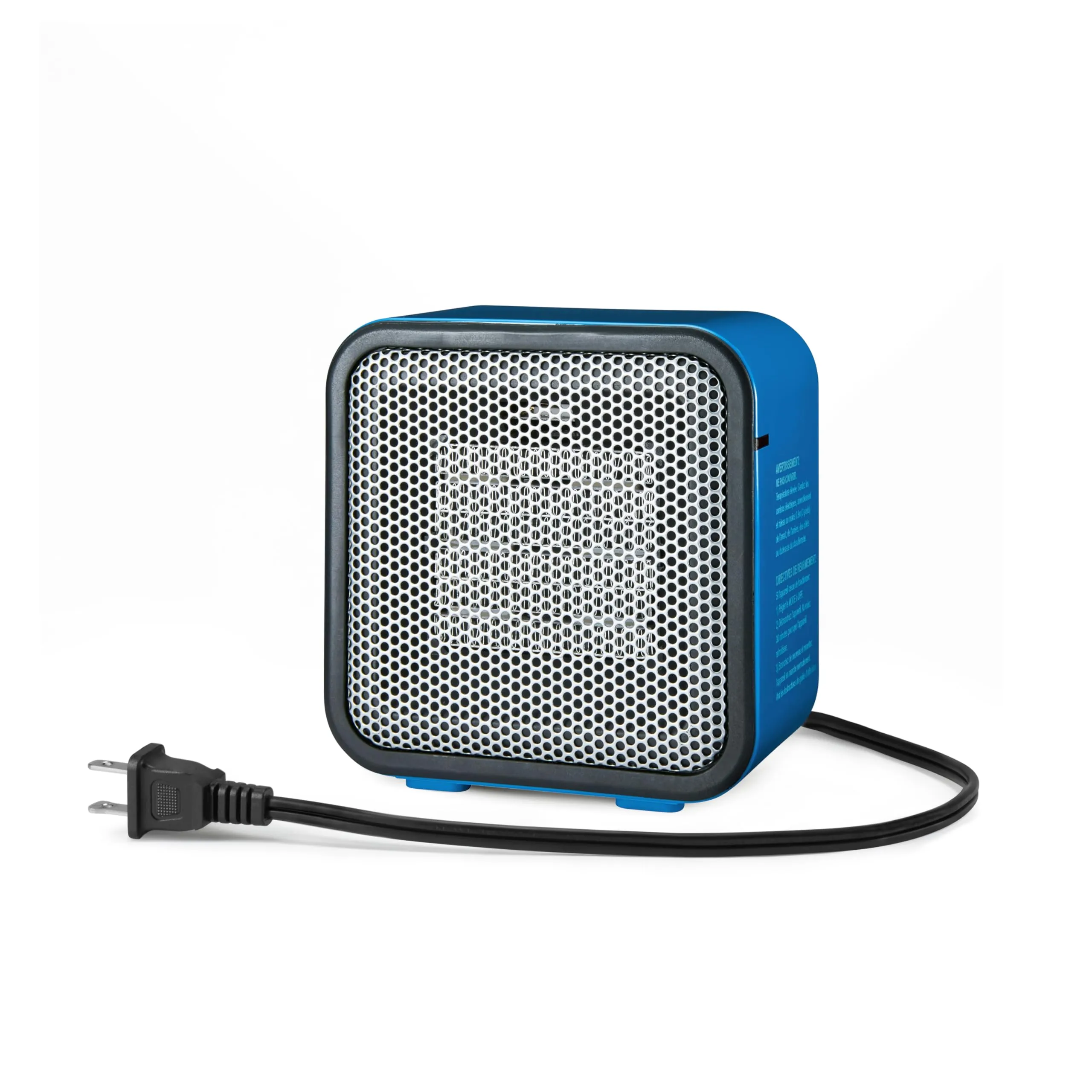
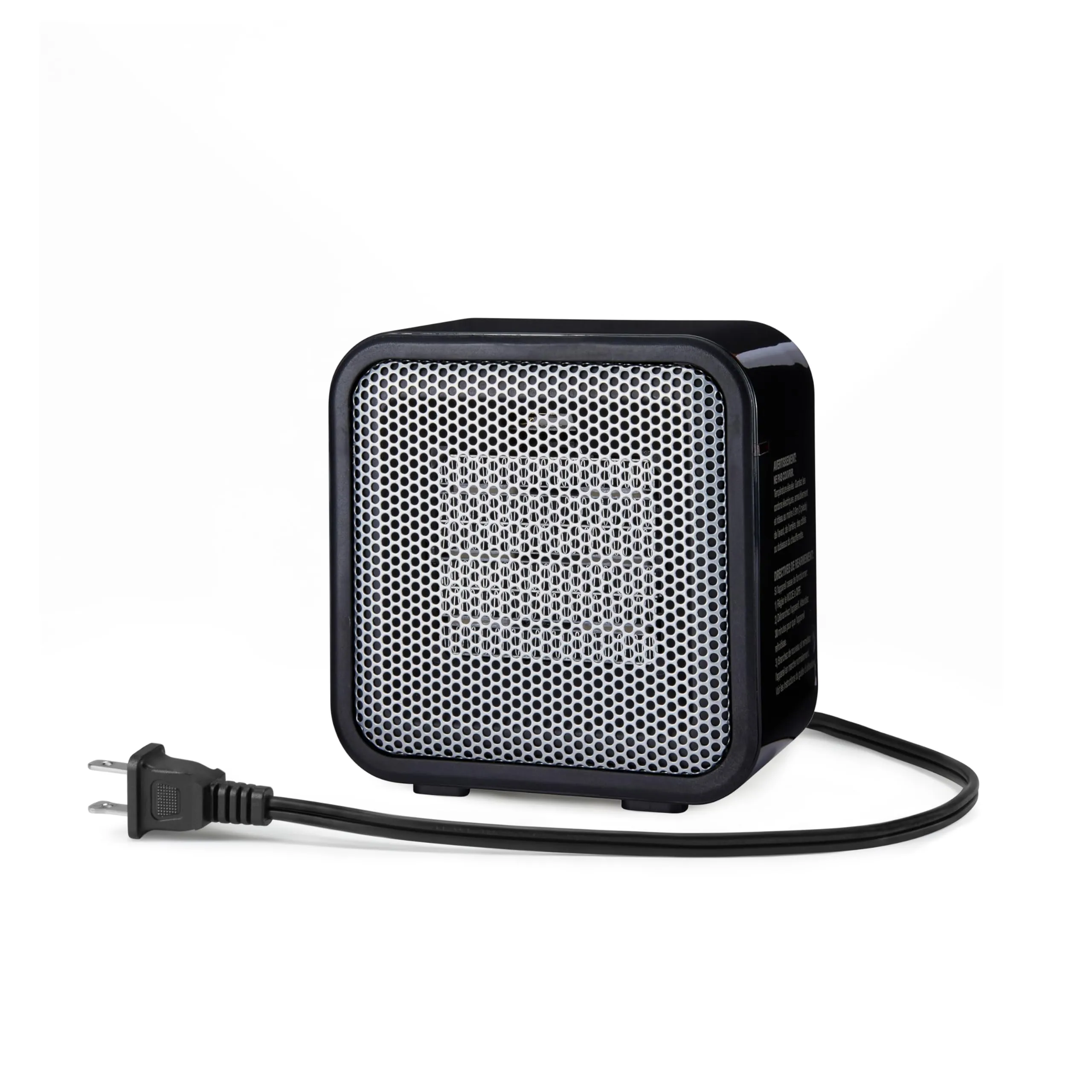
Amazon Basics Ceramic Portable Mini Space Heater 500W (DQ1722B)
- Very compact footprint that fits easily on a desk or side table.
Comparison
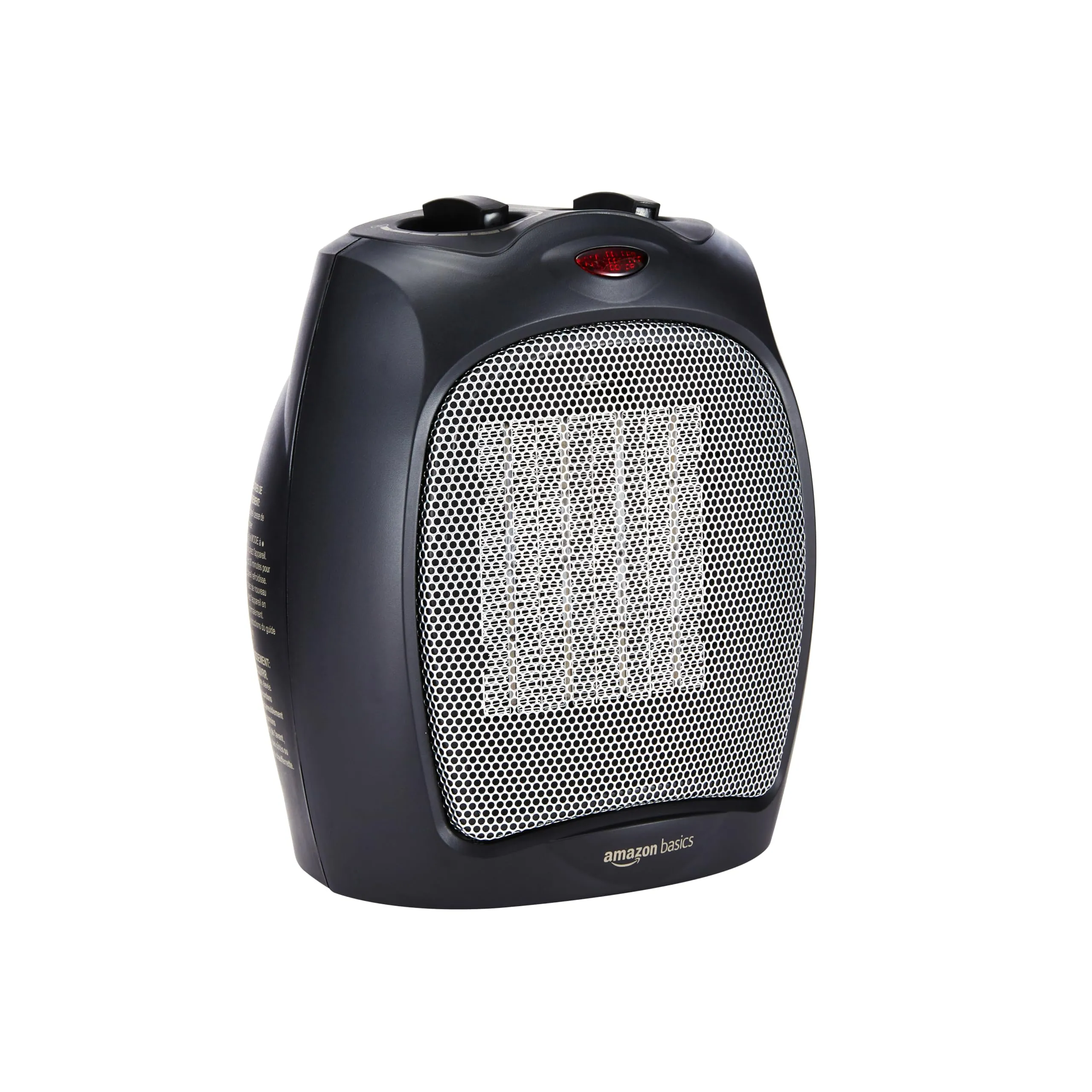
The Amazon Basics 500W mini heater and the Amazon Basics 1500W ceramic heater are both compact, budget-friendly options for indoor spot heating. The biggest difference is output and control: the 500W model is a tiny personal desk heater with very basic operation, while the 1500W model adds higher heat, multiple modes, and an adjustable thermostat.
#1 Overall Winner
Contender
Pick the Amazon Basics 500W mini heater if you want the smallest, lightest desk heater for personal warmth and simple on/off use. Choose the Amazon Basics 1500W ceramic heater if you need faster small-room heating, prefer a thermostat and multiple modes, and want added overheat protection alongside tip-over shutoff.
Overall winner
Depends on your needs
| Feature | Amazon Basics Ceramic Portable Mini Space Heater 500W (DQ1722B) | Amazon Basics Ceramic Space Heater 1500W with Thermostat (DQ1927-Y) | Winner |
|---|---|---|---|
| Type / use case | Mini personal desk heater | Portable small-room/personal heater | Depends |
| Heat output | 500W | 1500W (High), 900W (Low) | Amazon Basics Ceramic Space Heater 1500W with Thermostat (DQ1927-Y) |
| Heat settings | Single setting (on/off) | High / Low / Fan-only | Amazon Basics Ceramic Space Heater 1500W with Thermostat (DQ1927-Y) |
| Thermostat control | No thermostat mentioned | Adjustable thermostat | Amazon Basics Ceramic Space Heater 1500W with Thermostat (DQ1927-Y) |
| Safety protections (stated) | Tip-over protection | Tip-over + overheat protection; power indicator | Amazon Basics Ceramic Space Heater 1500W with Thermostat (DQ1927-Y) |
| Noise (buyer feedback) | Often described as quiet; some fan noise | Mixed: quiet for some, noisy for others | Amazon Basics Ceramic Portable Mini Space Heater 500W (DQ1722B) |
| Portability | Very lightweight, easy to carry | Portable but larger | Amazon Basics Ceramic Portable Mini Space Heater 500W (DQ1722B) |
| Footprint / placement | Very small; desktop-friendly | Compact; floor or tabletop; under-desk fits | Amazon Basics Ceramic Portable Mini Space Heater 500W (DQ1722B) |
| Controls & usability | Very simple controls | Simple, but more knobs/modes | Depends |
| Room coverage suitability | Best for very small spaces / personal zone | Better for small rooms; still compact | Amazon Basics Ceramic Space Heater 1500W with Thermostat (DQ1927-Y) |
| Reliability sentiment | Some reports of early failure | Mixed durability; some early breakage reports | Depends |
| Value perception | Frequently called good value | Frequently called good value | Tie |
| Best for travel | Commonly used for travel due to size | Portable, but bulkier | Amazon Basics Ceramic Portable Mini Space Heater 500W (DQ1722B) |
| Best for temperature stability | No thermostat; steady heat depends on manual use | Thermostat helps cycle to maintain warmth | Amazon Basics Ceramic Space Heater 1500W with Thermostat (DQ1927-Y) |
For everyday home use, both heaters work best as supplemental heat rather than a primary heat source. The 500W mini heater is easiest to “live with” in tight personal spaces—on a desk, next to a chair, or near your feet—because it’s tiny and simple. The 1500W heater is more practical when you want to take the chill out of a bedroom or office without relying on central heat, since it can run at different levels and cycle with its thermostat.
Both products are aimed at comfort heating, but their comfort impact differs. The 500W mini heater is commonly described as creating a small zone of warmth, which can be ideal if you’re sitting still at a desk or craft table. The 1500W model is better when the whole room feels cold or drafty, since the higher output and thermostat can help stabilize the overall feel of the space. Noise tolerance also matters: the mini heater is more consistently described as unobtrusive, while the 1500W model has more mixed noise feedback.
For raw heating performance, the 1500W Amazon Basics heater has the clear advantage on paper and in many reviews, with users reporting quick warm-ups in bedrooms and small rooms. The adjustable thermostat also supports more consistent room comfort compared with a simple on/off heater.
The 500W mini heater performs best as a personal desk heater—many buyers say it heats quickly and takes the chill off nearby air, but heat strength is mixed and it’s not designed to rapidly warm larger areas. If you want noticeable room heating, the 1500W model is the more appropriate tool.
Reliability is a watch-out for both products based on review summaries. The 500W mini heater has reports of units stopping after just a couple of days, which is a significant concern if you need dependable daily heat. The 1500W heater also has mixed durability feedback, including some units breaking within a month.
That said, both have large review counts and many positive experiences. If reliability is critical, consider buying with an easy return window, testing early, and avoiding situations where a sudden failure would be high-risk or disruptive.
For climate control within a room, the 1500W heater is better equipped because it includes an adjustable thermostat and multiple modes, which can help prevent overheating a small space. The 500W mini heater is more “manual”: it provides quick warmth, but without temperature controls you’re more likely to manage comfort by switching it on and off or changing placement.
Also note the 1500W model’s explicit guidance to avoid humid environments, which affects where you can safely use it.
Both heaters include tip-over protection, which is important for under-desk use, homes with pets, or crowded rooms. The 1500W model adds overheat protection and a power indicator light, providing more stated safety coverage for higher-output heating. Some reviews also mention practical stability considerations for the 1500W unit, such as the cord being stiff and the heater potentially rotating or tipping if bumped, so placement and cord routing matter.
The 1500W heater also explicitly warns against use in humid environments like bathrooms or laundry rooms. For either heater, stable placement on a flat surface and unplugging when not in use are sensible precautions.
Comfort depends on whether you want personal warmth or whole-room relief. The 500W mini heater is often praised for making a desk or bedside setup feel cozy quickly, especially for cold hands and feet. The 1500W model tends to provide better room-level comfort because it can warm a space faster and maintain a steadier temperature via the thermostat. If you move between rooms often, the smaller heater’s grab-and-go convenience can still be the more comfortable day-to-day option.
Both heaters are generally easy to operate, but in different ways. The 500W mini heater is very straightforward for quick spot heat, with minimal controls and an easy-to-place footprint. The downside is that you can’t dial in a specific comfort level beyond turning it on or off.
The 1500W heater is still simple, but the thermostat and mode selection add a small learning curve—some buyers describe the temperature dial as trial-and-error. In return, it’s easier to maintain a steady room feel.
The 500W mini heater is designed around minimal space use: it’s small enough for desktops and easy to tuck away after the season. Some reviews mention control placement (such as the switch being on the back), which can be slightly awkward depending on where it’s positioned.
The 1500W model has a more traditional compact heater shape intended for floor or tabletop use. Because it’s non-oscillating and directional, placement matters more—several users note better results when positioning it to circulate heat through the space rather than aiming it upward from a counter.
Neither heater lists a room-size rating in the provided data, but their output levels suggest different practical “coverage.” The 500W mini heater is best treated as personal heat for very small spaces (desk area, feet, or a small enclosed nook). The 1500W model is more capable of warming a small room, with multiple power settings and thermostat cycling that users report helps keep a steadier overall room temperature.
If you’re short on space, the 500W mini heater is the clear winner: it’s designed for desks, shelves, and very small surfaces without crowding your setup. The 1500W heater remains compact for its output and can fit under desks, but it needs a bit more floor or tabletop room and careful placement since it’s non-oscillating and its cord can influence how it sits on smooth surfaces.
Noise feedback is more consistently positive for the 500W mini heater, which many buyers describe as quiet enough for office or classroom use. The 1500W model is more variable: some reviews call it very quiet, while others report it’s loud, especially in smaller rooms where fan noise can feel more noticeable. If you’re sensitive to sound, the mini heater is the safer pick.
Neither heater stands out as a “heavy-duty” build based on the provided data. The 500W mini heater is frequently described as compact and sturdy enough for its size, but reviews include reliability issues and some comments that the casing is plastic and should be handled carefully.
The 1500W heater also gets mixed durability feedback, including reports of units breaking within a month. If long-term ruggedness is a priority, reviews suggest treating either model as a budget appliance and avoiding knocks, cord strain, or frequent drops.
Long-term durability looks mixed for both heaters from buyer feedback. The 500W mini heater’s small, lightweight build is convenient, but it may be easier to damage if bumped or dropped, and some reviews mention early failure. The 1500W model also has reports of breakage within a month, even though many users have good experiences.
Practical steps like stable placement, keeping cords from pulling the unit, and avoiding frequent knocks may matter as much as the design differences here.
Maintenance is simple for both: they’re plug-in heaters without tanks, filters, or consumables mentioned in the provided data. Day-to-day upkeep is mostly keeping the exterior clear of dust and ensuring airflow isn’t blocked. The 500W mini heater’s smaller size can make storage easier between seasons. The 1500W heater may benefit from a quick placement check each use (flat surface, stable cord routing) to avoid triggering tip-over protection or accidental knocks.
Both are portable, but the 500W mini heater is the easier carry. Its smaller size makes it convenient to move from desk to bedside or to pack for travel. The 1500W heater is still designed to be moved around the home, but its larger body and higher-output purpose make it better as a “move it once or twice a day” heater rather than something you constantly reposition.
The 500W mini heater keeps features to a minimum: it’s primarily about compact size and tip-over protection. There’s no thermostat, no multiple heat modes, and no timer mentioned, which limits fine-tuning.
The 1500W model adds the features most people expect from a small-room heater: High/Low/Fan-only settings, an adjustable thermostat, overheat protection, and a power indicator light. If you want more ways to balance warmth, cycling behavior, and airflow, the 1500W unit is noticeably more flexible.
Efficiency is hard to verify without measured energy data, but the provided specs and reviews offer some practical clues. The 500W heater’s lower wattage can be a sensible choice if you mainly need close-range warmth and don’t want to run a higher-power heater. The 1500W model can draw more power on High, but its Low mode and thermostat cycling may reduce run time when maintaining comfort rather than continuously blasting heat.
Both heaters are positioned as low-cost options with strong perceived value, and both have high review counts with generally positive ratings. The 500W mini heater can be excellent value if your goal is personal heat at a desk, since you’re not paying for thermostat controls or higher output you don’t need. The 1500W heater can be better value if you need real small-room warming and want temperature control and added protection features.
Value is slightly tempered for both by mixed durability/reliability feedback. If you’re buying on a tight budget, prioritize a return policy and test performance early.
Both products come from the same brand (Amazon Basics), so the brand experience is largely shared: mass-market pricing, simple designs, and broad availability. Based on the provided data, the main trust signal is the very large volume of customer reviews and consistent “good value” sentiment across both models. The main trust concern is that both have mixed durability feedback, so it’s worth paying attention to seller/return handling and keeping expectations aligned with budget-tier appliances.
Customer satisfaction is strong for both, reflected in similar average star ratings and large review counts. The 500W mini heater is often praised for being compact, quick to heat, quiet, and good value—while recurring negatives include limited heat output for anything beyond personal use, lack of temperature controls, and some early failure reports.
The 1500W model is commonly praised for fast heating and usefulness in small rooms, plus thermostat-based comfort. Complaints more often cluster around mixed noise, mixed heat intensity, and durability issues (including some units breaking within a month).
The Amazon Basics 1500W ceramic heater is the better overall pick for most people because it offers stronger heating for small rooms, multiple modes, and a thermostat, plus both overheat and tip-over protection. Its main limitation is mixed buyer feedback on noise and durability, so it’s not a “set-and-forget” purchase without early testing.
The Amazon Basics 500W mini heater is a better fit when you want the smallest possible heater for desk-level personal warmth. Its key strengths are portability, space efficiency, and simple operation, while its main drawbacks are basic controls, limited output beyond close range, and some reliability concerns. If you need room heat, go 1500W; if you need a tiny personal warmer, the 500W mini makes more sense.

Overall winner
Depends on your needs
The 1500W Amazon Basics ceramic heater is usually the better pick if you want to warm a small room faster and prefer more control, thanks to multiple settings and an adjustable thermostat. The 500W mini model makes more sense for close-range personal heat on a desk or under a chair, where size and portability matter more than room coverage.
The 500W mini heater is purpose-built for desk-sized spaces: it’s smaller, lighter, and commonly used to create a small “bubble of warmth.” The 1500W model also works under a desk, but it’s larger and more powerful, which can be helpful in colder rooms. Your choice depends on whether you want personal warmth or broader warming.
Only the 1500W Amazon Basics ceramic heater includes an adjustable thermostat along with High/Low/Fan-only settings. The 500W mini heater is more basic and is described as having an on/off-style control without temperature adjustment, which is a common complaint in customer feedback for people who want finer control.
Noise feedback is mixed on both, but the 500W mini heater is more consistently described as quiet for office or classroom use. The 1500W model has mixed reports: many find it quiet, while others say it can be loud in a small room. If noise is a top priority, the mini heater is the safer bet.
The 1500W model is generally better for small-room heating because it has much higher heat output and includes a thermostat to help maintain temperature. The 500W mini heater is widely viewed as a personal heater—good for taking the chill off nearby air, but not intended to heat an entire room quickly.
Yes. The 500W mini heater has reliability concerns in reviews, including reports of units stopping after very short use. The 1500W heater also has mixed durability feedback, with some reports of units breaking within a month. If you depend on daily heating, it’s worth checking return options and handling the unit carefully.
The 500W mini heater is the simplest: it’s essentially a plug-in personal heater with minimal controls, which many users like for quick, no-fuss warmth. The 1500W model is still straightforward, but adds a thermostat dial and multiple settings, which improves control but can take a little trial and error to dial in.
The 1500W Amazon Basics heater specifically notes it should not be used in humid environments like bathrooms or laundry rooms. For the 500W mini heater, only indoor use is stated, without specific bathroom guidance in the provided data. In general, follow each product’s instructions and avoid moisture exposure for safety.
Both are compact, but the 500W mini heater is notably smaller and lighter, making it easier to store in a drawer or pack for travel. The 1500W heater is still portable and compact for a floor or tabletop unit, but it takes up more space and is better thought of as a small-room heater rather than a tiny desk accessory.
Check our rankings and expert guides to find the best home lifestyle products for your goals.