#1 Overall Winner
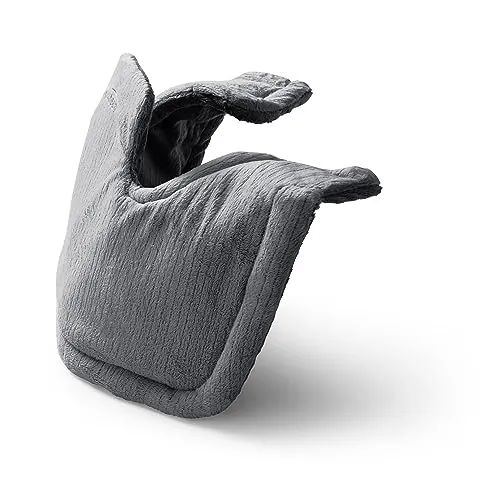
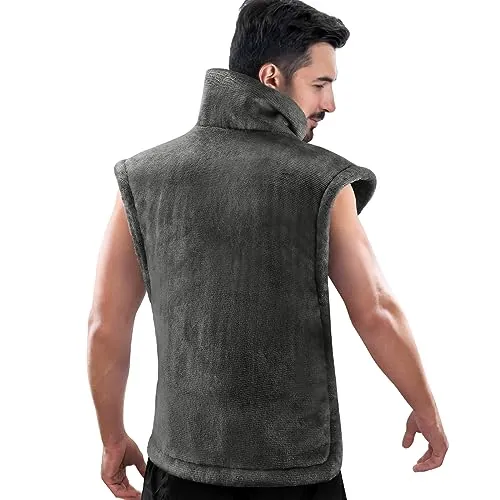
RENPHO King Size Heating Pad for Back (24"x37")
- Extra-large coverage (24"x37") that can span neck/shoulders through lower back
Comparison
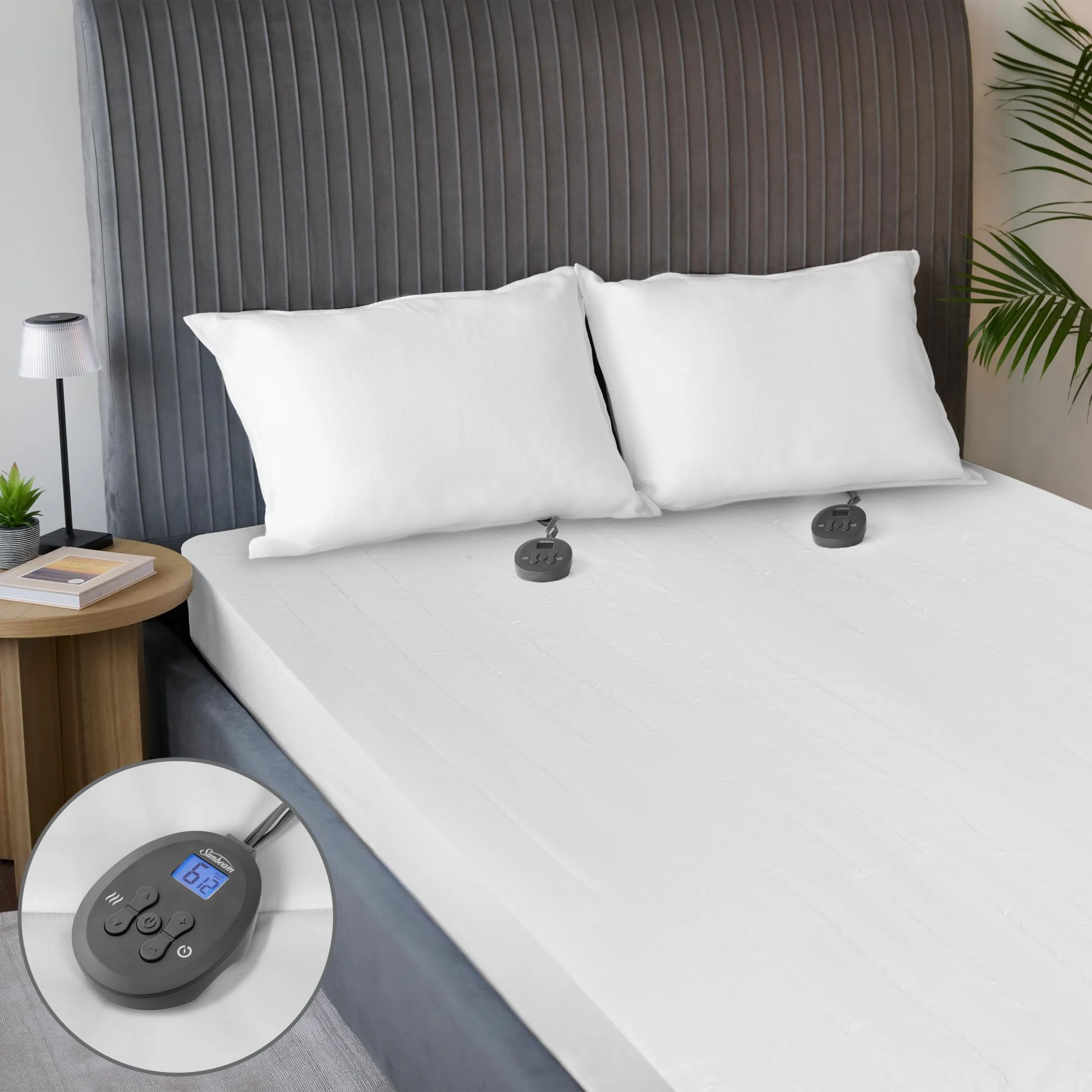
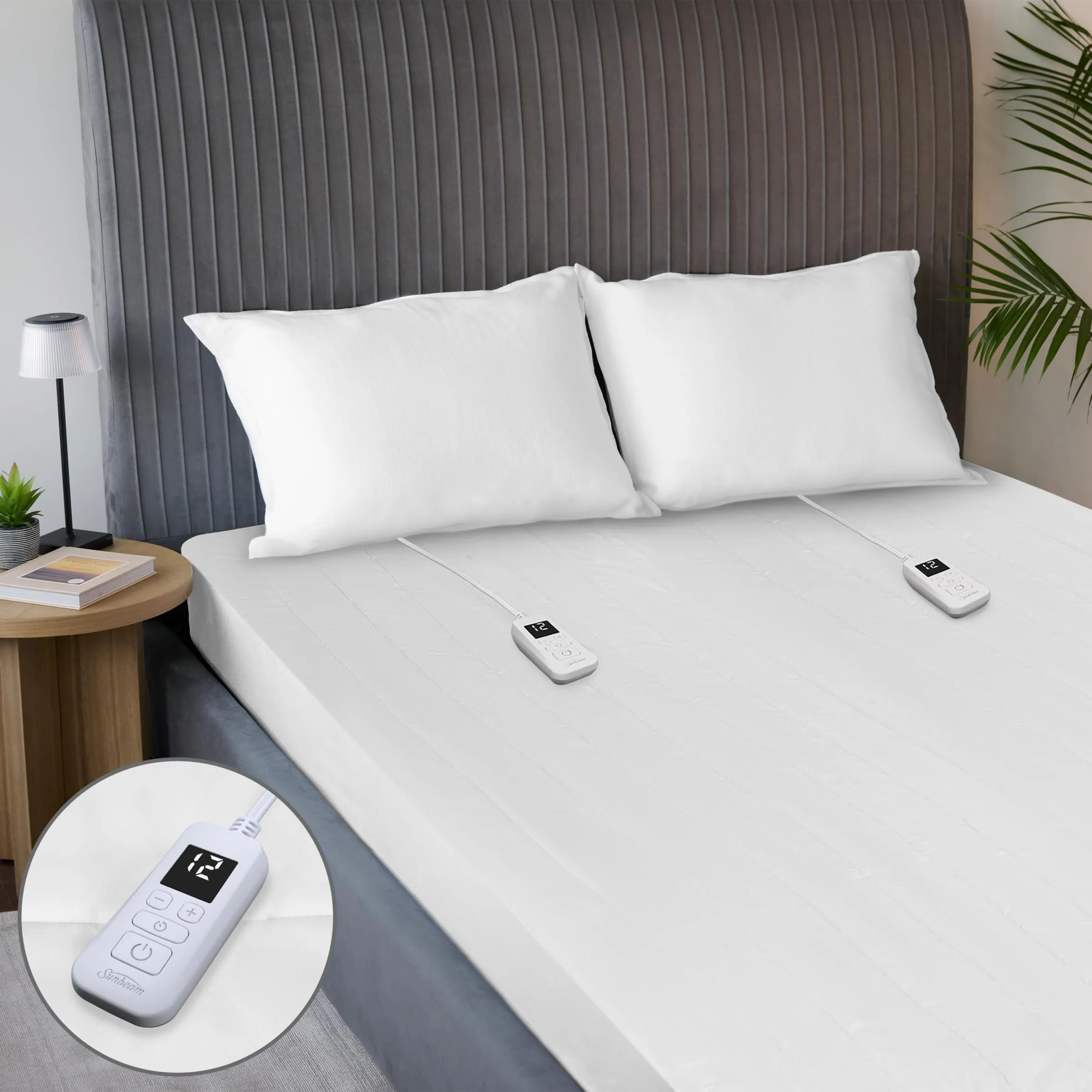
RENPHO’s King Size Heating Pad and the Sunbeam Restful Quilted Heated Mattress Pad both add electric warmth, but they’re built for different routines. RENPHO is a wearable, targeted heat pad for neck/shoulders/back sessions, while Sunbeam is a fitted Queen mattress pad meant to warm the bed for sleep. The clearest choice comes down to whether you want portable pain-relief heat or all-night bedding warmth.
#1 Overall Winner
Contender
Choose the RENPHO Heating Pad if you want wearable, targeted heat for back/neck/shoulder relief in short sessions. Choose the Sunbeam Heated Mattress Pad if you mainly want a warmer bed at night, more heat levels, and an overnight-friendly auto shut-off. If reliability is your top concern, Sunbeam looks stronger in the provided data.
Overall winner
Depends on your needs
| Feature | RENPHO King Size Heating Pad for Back (24"x37") | Sunbeam Restful Quilted Heated Mattress Pad Queen (80" x 60") | Winner |
|---|---|---|---|
| Product type / main use | Wearable electric heating pad for targeted areas | Fitted heated mattress pad for bed warmth | Depends |
| Coverage / size | 24" x 37" pad coverage | Queen 80" x 60" bed coverage | Sunbeam Restful Quilted Heated Mattress Pad Queen (80" x 60") |
| Heat settings | 6 settings (listed temperature steps) | 12 settings | Sunbeam Restful Quilted Heated Mattress Pad Queen (80" x 60") |
| Timer / auto shut-off | 30/60/90 minutes | Selectable up to 12 hours auto shut-off | Sunbeam Restful Quilted Heated Mattress Pad Queen (80" x 60") |
| Comfort feel (materials) | Soft flannel; weighted edges; drape design | Extra-soft quilted polyester top | Tie |
| Stays in place | Buttons/straps help it stay on shoulders/back | Fitted skirt for mattresses up to 18" deep | Depends |
| Cleaning approach | Machine-washable after removing controller (with cautions) | Machine-washable after removing controller (listing says dryer-safe) | Sunbeam Restful Quilted Heated Mattress Pad Queen (80" x 60") |
| Portability | Move room-to-room; use seated/standing/lying down | Primarily installed on the bed | RENPHO King Size Heating Pad for Back (24"x37") |
| Reliability signals in provided feedback | Mixed; reports of stopping working within months | Mixed; some reports of one side not working or not heating | Sunbeam Restful Quilted Heated Mattress Pad Queen (80" x 60") |
| Durability signals in provided feedback | Multiple reports of breaking within ~2 months | Some long-term positive ownership feedback included | Sunbeam Restful Quilted Heated Mattress Pad Queen (80" x 60") |
| Ease of use (controls) | LED controller with temperature readout; simple buttons | Digital controller; dimming display; remembers last setting | Tie |
| Best fit for pain relief sessions | Purpose-built for neck/shoulder/back heat therapy | General bed warmth may be comforting | RENPHO King Size Heating Pad for Back (24"x37") |
| Best fit for couples | Single pad for one user at a time | Dual controls are commonly used/mentioned (variant-dependent) | Sunbeam Restful Quilted Heated Mattress Pad Queen (80" x 60") |
| Safety positioning and guidance | Explicit warnings: avoid creases, don’t sleep with it, don’t use on bare skin | Overheat protection and long auto shut-off designed for bedtime routines | Sunbeam Restful Quilted Heated Mattress Pad Queen (80" x 60") |
For everyday home comfort, RENPHO is more flexible: you can use it in a chair, on the couch, or while standing, and position it exactly where you feel tightness. Sunbeam is more routine-based: once it’s installed on the bed, it becomes part of your nightly comfort setup, especially for pre-warming sheets and keeping a consistent sleeping temperature. If you want warmth beyond the bedroom, RENPHO fits better; if your main issue is a cold bed, Sunbeam is the more direct solution.
Both products improve cold-weather comfort, but in different ways. RENPHO is aimed at localized warmth and muscle relaxation during the day, with a drape design that concentrates heat where you place it. Sunbeam addresses whole-body comfort at night by warming the sleep surface and maintaining an even bed temperature. If your comfort goal is “warm back and shoulders now,” RENPHO is the fit; if it’s “warm bed all night,” Sunbeam is the fit.
For their intended purposes, both perform well in the provided data. RENPHO’s standout is fast, targeted heat over a large pad area, and reviews frequently mention effective relief for back and shoulder discomfort. Sunbeam’s strength is bed-level warmth for sleeping, with many buyers describing consistent overnight comfort and useful pre-heating. Performance concerns differ: RENPHO has notable reports of units failing within months, while Sunbeam has mixed reports of uneven or non-working heat (including one side only). Which “performs better” depends on whether you need therapy-style spot heat or whole-bed warmth.
Reliability is one of the bigger separators. RENPHO has strongly positive comfort feedback, but the aggregated review notes and individual reviews include reports of units stopping working within months, which lowers confidence for heavy use. Sunbeam also has mixed reliability feedback—some buyers report uneven heating or one side not working—but there are also examples of longer-term satisfaction across multiple winters. If you need the lower-risk choice based on the provided data, Sunbeam looks more dependable overall.
Neither product “controls” room temperature, but both improve personal warmth. RENPHO provides localized heat that can be directed to the neck/shoulders/back, making it useful when only part of your body feels tense or cold. Sunbeam provides uniform warmth across the bed, reducing the cold-sheet effect and helping maintain a comfortable sleep microclimate. For whole-body nighttime warmth, Sunbeam is more effective; for targeted warmth during the day, RENPHO is more effective.
Both products list overheat protection, but safe use is strongly tied to their intended routines. RENPHO includes clear warnings: don’t bunch or crease it, don’t sit/lay on it, don’t use on bare skin, and don’t use while sleeping—important because pressure and sharp folds can increase burn and electrical risk. Sunbeam is designed specifically for bedding use and includes a long auto shut-off window for peace of mind. Whichever you choose, follow the manual closely, keep cords undamaged, and avoid using either product if it shows wear or inconsistent heating.
Sunbeam has the edge for pure sleep comfort because it warms the entire bed surface and is intended to keep you comfortable through the night, with many buyers praising the cozy, consistent warmth. RENPHO is exceptionally comfortable for seated relaxation and targeted heat, with reviewers often highlighting softness and the “hug-like” feel from the drape and light weighting. If comfort means “better sleep,” Sunbeam wins; if it means “relief on the sofa or at a desk,” RENPHO is more satisfying.
Both are straightforward, but the day-to-day experience is different. RENPHO is easy to drape and strap on, and reviewers often call the controls intuitive; however, the controller position on the cord can be awkward while wearing. Sunbeam is simple once installed, with easy bedside adjustments and a display designed for nighttime viewing. If you want “put it on and sit,” RENPHO is convenient; if you want “set it and forget it,” Sunbeam is easier.
RENPHO’s design is built around body fit: a wide drape with straps/buttons and weighted edges to reduce slipping, making it practical for shoulders and back while you’re awake. Sunbeam’s design is built around bed fit: a Queen-size pad with a skirt that stretches to accommodate deeper mattresses and aims to stay anchored through the night. Aesthetically, both are simple and functional; practically, RENPHO is about placement flexibility while Sunbeam is about staying invisible under sheets.
Both products score highly for “coverage,” but the meaning is different. RENPHO’s 24"x37" pad is large for a wearable heating pad and is meant to cover a substantial portion of the back and shoulders in one go. Sunbeam’s Queen-size (80" x 60") mattress pad covers the full bed surface, which is more suitable for full-body warmth during sleep. Choose based on whether you need body-area coverage or bed-surface coverage.
Sunbeam is more space-efficient in daily living because it replaces part of your bedding system and doesn’t take up extra floor or closet space once installed. RENPHO is easy to fold and store, but it’s another standalone item you’ll need to keep accessible and avoid creasing sharply. If you want the least visual/physical clutter, Sunbeam wins; if you want heat without dedicating your bed to it, RENPHO can be easier to live with.
It’s a tie: both are effectively silent because they heat through internal wires rather than a fan or motor. That makes either option suitable for bedrooms, shared spaces, and nighttime use from a sound perspective. Any comfort disturbance is more likely to come from fit (mattress pad wire feel, or a controller/cord getting in the way) than from actual noise.
Sunbeam has the more involved setup because it must be fitted to the mattress (and you’ll want to think about cord routing and controller placement). RENPHO is essentially plug-and-use, with quick positioning via straps/buttons. Neither requires tools. If you want the simplest setup with minimal bedroom rearranging, RENPHO is easier; if you don’t mind a one-time bedding setup, Sunbeam is still straightforward.
Sunbeam presents as the sturdier bedding-style build in the provided data, with many reviewers describing good construction and a pad that holds up across seasons. RENPHO is praised for soft materials and thoughtful wearable construction, but its long-term build confidence is reduced by repeated mentions of early failure (stopping working or breaking). If you plan heavy, frequent use, Sunbeam appears to be the safer bet for overall construction consistency.
Sunbeam appears more durable in the provided data, including feedback that it can hold up over multiple seasons for some households. RENPHO’s durability is more uncertain, with multiple customers reporting breakage within a short timeframe, even though many others are happy with day-to-day performance. With either product, cord and wire care matters, but RENPHO’s stricter guidance about avoiding creases and pressure is a sign it needs more careful handling to prevent damage.
Sunbeam is lower-effort once set up: it stays on the bed, and the controller detaches for washing. RENPHO is also washable after removing the controller, but the listing cautions against frequent machine washing and advises avoiding high-heat drying/ironing, which can add a bit more care planning. Ongoing maintenance for both is mostly about keeping cords/controllers in good shape and following washing instructions; Sunbeam is slightly more “laundry-friendly” on paper.
RENPHO is portable around the home, but it’s still a large, mains-powered pad with a cord and controller, so it’s best moved room-to-room rather than used on the go. Sunbeam is “portable” in the sense that it can be removed and washed, but it’s designed to stay installed on a bed. For anyone who wants heat in multiple rooms (desk, sofa, recliner), RENPHO is clearly the more portable option.
Sunbeam offers a broader control range with more heat settings and a controller designed for nighttime use (including dimming and last-setting memory), plus a long selectable auto shut-off window. RENPHO keeps features focused on therapy sessions: six heat levels, shorter timers, and a wearable/fastening design so it stays on the shoulders and back. Both list overheat protection and detachable controllers for washing, but Sunbeam’s feature set is more sleep-centric while RENPHO’s is more mobility- and placement-centric.
Based on the provided data, Sunbeam has the stronger efficiency profile overall, helped by a design intended to maintain steady bed warmth for long periods. RENPHO’s listed wattage (135W) gives some transparency, but its use pattern is typically shorter, higher-intensity sessions. Real-world efficiency will still depend on how long you run either product and at what settings, but for overnight comfort and steady warmth, Sunbeam appears better optimized.
Prices are similar, so value depends on what you’ll actually use. Sunbeam tends to deliver better value for households that want nightly warmth: more heat settings, a longer auto shut-off, and strong sleep-focused comfort feedback make it a more complete bedding solution. RENPHO can be excellent value for targeted relief because it’s wearable, covers a large area for a heating pad, and heats quickly—but its value is reduced if you’re unlucky with early failure. If you’ll use heat daily and want longer lifespan confidence, Sunbeam offers the safer overall value proposition.
Based on the provided information, Sunbeam benefits from stronger brand trust signals and broad buyer confidence for heated bedding, with many reviews referencing repeat purchases and long-term use. RENPHO also has a very large review base and strong satisfaction for comfort and pain relief, plus at least one example of responsive replacement support in the reviews provided. If you prioritize established bedding experience and consistency, Sunbeam has the edge; if you’re focused on wearable therapy comfort, RENPHO still has a strong following.
Both products are highly rated with large review counts, and both receive frequent praise for warmth and comfort. RENPHO’s satisfaction is driven by quick heating, softness, coverage, and hands-free wearability, but it has a clearer undercurrent of durability complaints. Sunbeam’s satisfaction is driven by cozy sleep, fit, and convenience features like preheating and multiple heat levels, with some recurring negatives about heating not working properly or only on one side. Overall sentiment is slightly stronger and more consistent for Sunbeam in the provided data.
There’s no single “best” because these products are built for different comfort needs, but Sunbeam is the stronger overall pick for most households seeking reliable sleep warmth. Its main strengths are all-night comfort features (many heat settings, long auto shut-off, fitted design), while its main limitation is mixed feedback about heating consistency for some buyers. RENPHO is the better choice for targeted, wearable heat sessions and large back/shoulder coverage, with standout comfort and ease of use. Its main limitation is durability and reliability risk in the provided feedback. If you want warmth in bed, pick Sunbeam; if you want portable pain-relief heat, pick RENPHO.
Overall winner
Depends on your needs
If you want targeted heat for your back, neck, or shoulders while sitting or relaxing, the RENPHO pad fits that job better thanks to its wearable design and large drape coverage. If your goal is a warm bed for sleeping, the Sunbeam mattress pad is the more practical choice with more heat steps and a longer auto shut-off designed for overnight comfort.
The RENPHO is built around targeted heat therapy, with a drape-and-strap design that can sit over the neck, shoulders, and back. The Sunbeam warms the bed surface rather than a specific body area, which can feel cozy but is less focused. If you want to apply heat while awake and moving around the home, RENPHO is typically the better fit.
The Sunbeam heated mattress pad is designed for sleep use, with a fitted skirt for a secure mattress fit and a selectable auto shut-off up to 12 hours. The RENPHO pad is more of a timed therapy tool (up to 90 minutes) and includes safety guidance not to use while sleeping. For overnight warmth, Sunbeam aligns better with the intended use.
Both are designed to be machine-washable after removing the controller. The RENPHO listing advises not to machine wash frequently and to avoid high-heat tumble drying/ironing. The Sunbeam listing describes the pad as machine washable and dryer-safe. In day-to-day care, both require basic cord/controller handling and careful drying before reuse.
No. Both products provide heat through wired electric elements and don’t use fans or compressors, so they operate silently. Any “noise” differences in practice are more about comfort factors—such as whether you feel wires under you on the mattress pad—rather than sound output.
Both listings mention overheat protection, but safe use depends on how you use them. The RENPHO includes explicit warnings not to bunch, sit/lay on, crease sharply, use on bare skin, or use while sleeping. The Sunbeam is intended for bedding use and includes a long auto shut-off window. For either, follow the included instructions carefully.
Both can work well in small homes, but they solve different problems. The Sunbeam saves space because it replaces (or sits under) your usual bedding and doesn’t add clutter once installed. The RENPHO is easy to store and move, but it’s another item to keep in a drawer or closet. Choose based on whether you want bed warmth or portable therapy.
The RENPHO has notably mixed durability feedback, with multiple customers reporting it broke or stopped working within a short period. The Sunbeam also has some mixed feedback—such as heating not working or only working on one side—but the overall picture is more positive in the provided data. If reliability is a top priority, Sunbeam looks safer on balance.
A heating pad (like the RENPHO) is meant for focused heat on specific areas for a limited time while you’re awake, and it’s easier to reposition. A heated mattress pad (like the Sunbeam) is fitted to the bed to warm the sleep surface and is designed around bedtime routines, including longer run times and staying in place on the mattress.
Check our rankings and expert guides to find the best home lifestyle products for your goals.