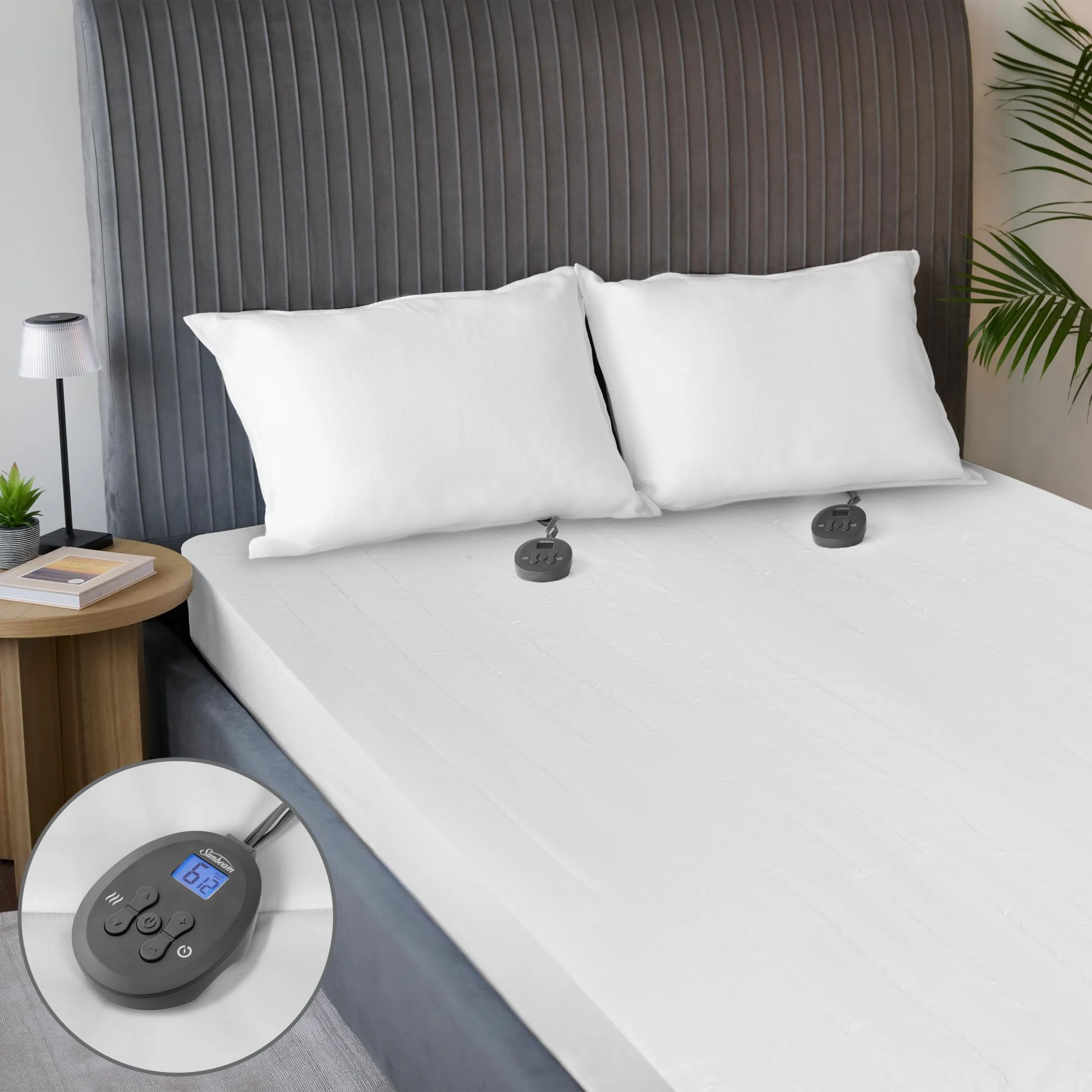
#1 Overall Winner
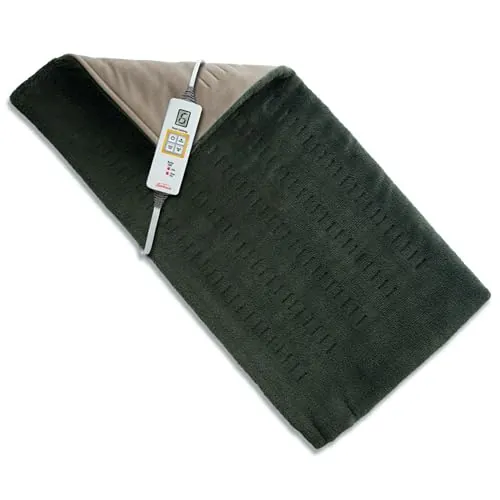
Sunbeam Electric Restful Quilted Heated Mattress Pad King 80" x 76"
- Designed for full-bed warmth with a king-size fitted pad and deep-pocket skirt for a secure fit.
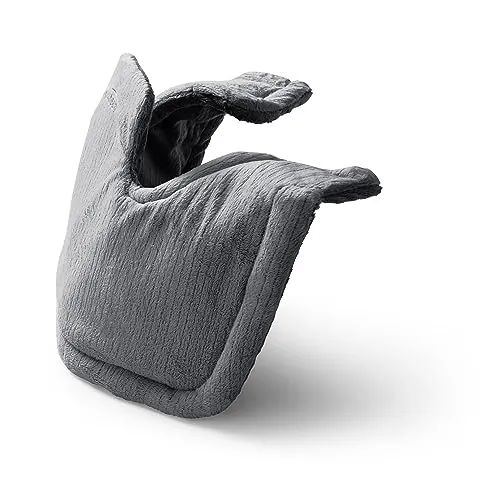
Comparison
The Sunbeam Restful Quilted Heated Mattress Pad (King) is designed for all-night, whole-bed warmth with dual controls, while the Sunbeam neck and shoulder heating pad is built for targeted heat therapy during short sessions. Both are machine washable and include auto shut-off, but buyer feedback is mixed on heat consistency for each. The best choice depends on whether you want sleep-time comfort or focused relief for upper-body tension.
#1 Overall Winner
Contender
Choose the Sunbeam Restful Quilted Heated Mattress Pad if you want a warm bed at night, especially for a king bed with two sleepers who like different temperatures. Choose the Sunbeam neck and shoulder heating pad if you want focused, hands-free heat for tension in the upper back and neck during short sessions. Both are washable, but both have some mixed reviews on heat output consistency.
Overall winner
Depends on your needs
| Feature | Sunbeam Electric Restful Quilted Heated Mattress Pad King 80" x 76" | Sunbeam Heating Pad for Neck and Shoulder Pain Relief 22 x 14 | Winner |
|---|---|---|---|
| Primary use | Whole-bed warming while sleeping | Targeted neck/shoulder heat therapy | Depends |
| Coverage/size | King size (80" x 76") fitted pad | 22" x 14" wrap | Sunbeam Electric Restful Quilted Heated Mattress Pad King 80" x 76" |
| Heat settings | 12 settings | 4 settings | Sunbeam Electric Restful Quilted Heated Mattress Pad King 80" x 76" |
| Zones/controls | Dual controllers (two sides) | Single controller | Sunbeam Electric Restful Quilted Heated Mattress Pad King 80" x 76" |
| Auto shut-off style | Selectable up to 12 hours | 2-hour auto shut-off | Depends |
| Washability | Machine washable; disconnect controllers | Machine washable; disconnect controller | Tie |
| Fit/secure placement | Deep pocket skirt fits up to 18" mattresses | Magnetic closure + weighted edges | Depends |
| Cord/placement flexibility | Bed-mounted controllers; placement depends on bed/outlet | 9-foot cord | Sunbeam Heating Pad for Neck and Shoulder Pain Relief 22 x 14 |
| Comfort feedback trends | Very cozy; some report wire feel | Soft micromink; some find it rigid/heavy | Depends |
| Heat performance feedback trends | Many say quick/even; some report one-side or no heat | Many say effective; some say not hot enough | Depends |
| Noise | Silent operation | Silent operation | Tie |
| Best typical use location | Bedroom bed setup | Sofa, desk chair, recliner, or bed (seated use) | Depends |
For everyday home use, these products fit different routines. The heated mattress pad is a set-it-and-forget-it bedroom upgrade: once it’s fitted to the mattress, it becomes part of your nightly routine, with separate controls for each side. The neck and shoulder wrap is more of a “grab-and-go” comfort tool for the living room, office chair, or bedside, especially when you want localized warmth while reading, watching TV, or winding down.
Both products improve personal warmth rather than changing the room temperature. The mattress pad is geared toward full-body comfort in bed, with many buyers using it to preheat sheets and stay warm through the night. The neck wrap is intended for localized comfort and relief, with a wrap shape that holds heat close to the upper body. If your discomfort is mainly “cold bed” related, the mattress pad fits better; if it’s neck/shoulder tension, the wrap is the more direct tool.
In core performance, the mattress pad is built to deliver even, consistent warmth across a king-size sleep surface and accommodate two sleepers with different preferences. Many reviews support that it warms quickly and feels cozy, but there are also recurring reports of uneven heating or one side not working, which can undermine its main purpose.
The neck and shoulder pad performs well when the goal is targeted heat therapy: many users report noticeable relief and quick warmth, helped by a design that stays on the shoulders. However, a meaningful slice of feedback says it doesn’t get hot enough or heats unevenly.
Reliability is one of the main trade-offs in this matchup because both products show some mixed buyer experiences. The mattress pad has multiple mentions of inconsistent heating, including cases where only one side works or a unit doesn’t heat properly, even though many others report strong performance across winters. The neck and shoulder pad also has reports of units stopping working and some complaints about uneven or insufficient heat, balanced by many reviews describing dependable use over time.
Both products are personal climate tools rather than room appliances. The mattress pad offers more control over your sleep microclimate with many heat settings, dual zones, and overnight-friendly shut-off timing. The neck wrap offers a narrower but more targeted kind of control—adjustable warmth for the upper body while sitting or resting, plus a moist-heat option. If your goal is whole-bed temperature comfort, the mattress pad is stronger; if it’s localized relief, the wrap is more direct.
Both products include auto shut-off to reduce the risk of being left on unintentionally. The mattress pad adds overheat protection and is designed for extended use during sleep, which is reassuring for overnight operation; it also offers a longer shut-off window that matches how people actually sleep. The neck wrap is designed for shorter sessions and shuts off after 2 hours, which aligns with therapy use. As with any heated textile product, reliability concerns in reviews (units failing or heating inconsistently) are worth taking seriously: test early and avoid using a product that behaves unpredictably.
For comfort, the mattress pad tends to win for full-body coziness because it warms the bed surface and supports separate preferences for each side. The main comfort drawback is that some people can feel the internal wires, especially with fewer bedding layers. The neck wrap can feel very soothing because it’s soft and stays on the shoulders, but comfort is mixed: some love the weighted feel, while others find it too rigid or heavy.
The neck and shoulder pad is generally quicker to start using: put it on, choose a heat level, and let the auto shut-off handle timing. The mattress pad takes a bit more initial setup because it must be fitted correctly to the mattress and connected to both controllers, but day-to-day use is simple once installed. Both are designed with easy-to-see controls for low-light use, and both require disconnecting the controller before washing.
The mattress pad’s design is practical for bedding: a fitted skirt for deeper mattresses and dual controllers for each side. Some users mention connector/plug placement as a consideration depending on how you sleep and where outlets are located. The neck wrap is designed to contour around the shoulders and fasten at the front, which many find convenient for hands-free use. However, its weighted/structured feel is more subjective—comfort varies more by personal preference.
Capacity is effectively “coverage.” The king mattress pad is sized to cover a full king bed (80" x 76") and is intended for two sleepers and full-body warmth. The neck and shoulder pad covers a smaller, targeted area (22" x 14") to focus warmth where tension is common. If you want maximum coverage, the mattress pad is the clear winner; if you only need localized heat, the smaller wrap is more appropriate.
The king mattress pad doesn’t take extra floor space, but it is large and can be awkward to store off-season. The neck wrap is compact and can be folded into a drawer or basket, making it more space-efficient in small homes and flats. If storage space is limited, the neck wrap is generally easier to live with.
Both are effectively silent during operation because they deliver heat without a fan or motor. That makes either option suitable for bedrooms, reading, or TV watching without adding background noise. If noise sensitivity is a priority, this is a tie.
The mattress pad has a real installation step: fitting it onto the mattress, confirming the deep-pocket skirt is seated correctly, and routing controllers/cords so they don’t become inconvenient. The neck wrap has essentially no installation—just plug in and wear—making it faster to deploy. If you want minimal setup, the neck wrap is simpler; if you’re comfortable fitting bedding once and leaving it, the mattress pad is still easy enough.
Both products earn generally positive comments about materials, with the mattress pad described as soft quilted polyester and the neck wrap noted for plush Micromink. That said, each has some durability-related concerns in reviews: the mattress pad has reports of one-side heating failures, and the neck wrap has reports of units stopping working. Neither set of feedback proves a universal issue, but it’s relevant for buyers who prioritize long-term consistency.
Long-term durability appears plausible for both based on many satisfied owners, but there are caution flags. The mattress pad’s most concerning durability pattern is side-specific heating failures reported by some buyers. The neck wrap’s durability concerns are more about occasional failures and how well the structured, weighted design holds up with frequent use. In both cases, careful handling of cords/controllers and following wash instructions matters.
Maintenance is straightforward for both: disconnect the controller and machine wash the fabric portion. The mattress pad is larger and may be more cumbersome to launder and dry, but it’s designed for routine bedding hygiene. The neck wrap is smaller and easier to wash and store between uses, though some owners prefer spot cleaning between washes. Neither requires filters or consumables, which helps keep ongoing upkeep simple.
The neck and shoulder heating pad is easier to move room to room and store, and the long cord supports flexible use locations. The king mattress pad is portable in the sense that it can be removed, washed, and re-fitted, but it’s inherently bulkier and tied to a bed setup. For travel or quick relocation around the home, the neck wrap is the better fit.
The mattress pad focuses on sleep-centric features: dual controllers, a dimming display, many heat levels, and a long auto shut-off window suited to overnight use, plus a fitted skirt designed to stay in place. The neck and shoulder pad emphasizes therapy-style convenience: a wearable wrap shape, weighted edges, a magnetic closure, a moist-heat option, and a long cord for flexible placement. If you want precision and zones, the mattress pad leads; if you want hands-free targeted heat, the wrap stands out.
Neither listing provides measured energy data, so efficiency is best viewed through practical use. The mattress pad may be used for long stretches overnight, which can increase total runtime, though some buyers report it helps them rely less on whole-room heating. The neck wrap is built around shorter, timed sessions with a 2-hour shut-off, which can naturally limit runtime. Your real-world efficiency will depend on how often and how long you use each product.
Value depends on what you’re trying to achieve. The mattress pad costs more, but it replaces the need for preheating the bed with extra blankets and offers dual-zone control for a king bed, which can justify the price for couples or cold sleepers. The neck and shoulder pad is less expensive and can feel like strong value if it reliably delivers targeted relief, especially with hands-free design and moist-heat capability. Because both have some mixed reliability feedback, good value also includes buying from a retailer with easy returns and confirming performance early.
This is largely a tie on brand trust because both products are from Sunbeam and attract very high review volume. Reviews include buyers referencing long-term familiarity with the brand, which can increase confidence. At the same time, both listings show some reliability complaints, so brand comfort shouldn’t replace practical checks like testing heat consistency and handling cords/controllers carefully.
Both products show strong overall satisfaction based on high star ratings and very large numbers of reviews. The mattress pad gets repeated praise for warmth, fit, and the convenience of dual controls, but there are recurring complaints about one-side-only heating and occasional “doesn’t heat” experiences. The neck wrap is frequently praised for pain relief, softness, and staying in place, while common negatives focus on not getting hot enough, comfort being too structured or heavy for some users, and occasional failures.
The better overall choice for most households is the Sunbeam Restful Quilted Heated Mattress Pad (King) because it delivers whole-bed comfort, supports two sleepers with separate controls, and is designed for overnight use with a long auto shut-off window and overheat protection. Its main drawback is that some buyers report inconsistent heating, including one side failing.
The Sunbeam neck and shoulder heating pad is the better specialist tool for targeted relief, with a wrap-around shape, weighted edges, magnetic closure, and an optional moist-heat approach. Its main limitations are mixed feedback on heat intensity, comfort (structured/weighted feel), and occasional reports of units stopping working. If you want sleep warmth, choose the mattress pad; if you want focused therapy-style heat, choose the wrap.
Overall winner
Depends on your needs
They serve different needs. The Sunbeam Restful Quilted Heated Mattress Pad is for warming the whole bed (including dual controls for each side), making it better for nightly sleep comfort. The Sunbeam neck and shoulder heating pad is for targeted heat therapy while you sit or relax, with a wrap design and shorter auto shut-off for timed sessions.
The heated mattress pad is the more couple-friendly option because it includes two controllers and separate heat zones, so each person can pick their own warmth. The neck and shoulder heating pad is a single targeted wrap, so it’s better as a personal item rather than a shared, all-night comfort solution.
Both are designed to be machine washable after disconnecting the controller, which helps with day-to-day maintenance. The mattress pad is larger and takes more washer/dryer space, while the neck wrap is smaller and typically simpler to handle. Either way, disconnecting the controller first is essential.
The mattress pad is made for sleeping and includes features like a dimming display and long auto shut-off window. However, comfort can depend on sensitivity to wire feel and how many bedding layers you use. The neck wrap is comfortable for many people while seated, but some reviews describe it as too structured or heavy for their preference.
Yes. The mattress pad has some reports of uneven heating, including cases where only one side works. The neck and shoulder pad also has mixed feedback, with some users saying it heats quickly while others wish it got hotter. If consistent heat is critical, it’s worth checking return options and testing early.
The neck and shoulder heating pad is easier to store and use in a small living space because it’s compact and has a long cord. The king-size mattress pad is large by nature, although it doesn’t take up extra floor space once fitted on the bed. Your best choice depends on whether you want targeted warmth or a warm bed.
The heated mattress pad offers a longer auto shut-off window (selectable up to 12 hours), which suits overnight use. The neck and shoulder heating pad uses a shorter 2-hour auto shut-off, which aligns with typical heat therapy sessions. If you want all-night warmth, the mattress pad fits that use better.
Yes. The neck and shoulder wrap includes an optional moist-heat approach by spraying the fabric with water, which some people prefer for a deeper-feeling warmth. The heated mattress pad description focuses on dry warmth for bed comfort and does not mention a moist-heat option.
Check our rankings and expert guides to find the best home lifestyle products for your goals.