#1 Overall Winner
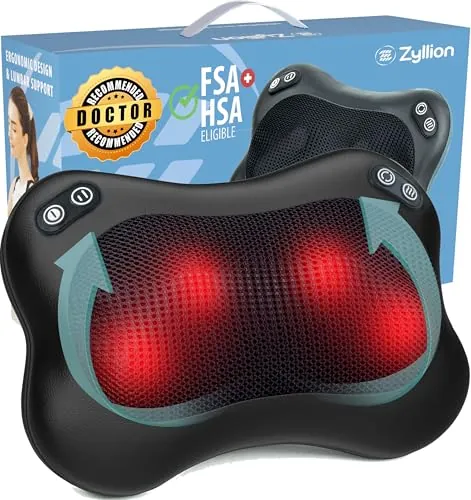
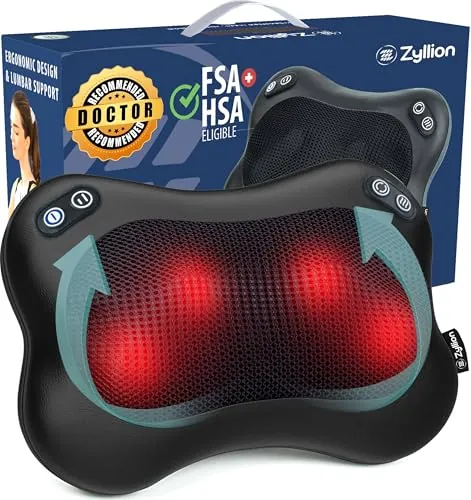
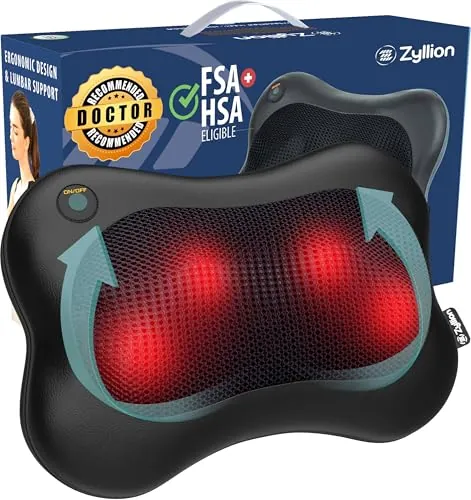
Zyllion Shiatsu Back and Neck Massager with Heat (ZMA-13)
- Strong deep-kneading shiatsu-style massage that many buyers say helps with back and neck pain
Comparison
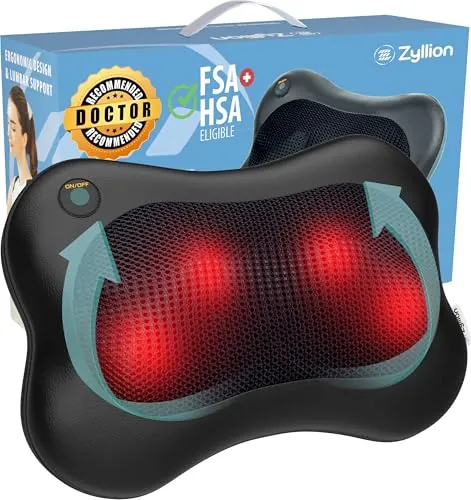
The Zyllion ZMA-13 and Zyllion ZMA-13RB are shiatsu-style back and neck massage pillows with kneading nodes and optional heat. The biggest difference is power: the ZMA-13 is corded for consistent sessions, while the ZMA-13RB is rechargeable for cordless convenience. Buyer feedback for both is strong on pain relief, but durability and heat performance are more mixed on the cordless model.
#1 Overall Winner
Contender
Choose the Zyllion ZMA-13 if you want a straightforward, plug-in shiatsu pillow with longer sessions and fewer power-related compromises. Choose the Zyllion ZMA-13RB if you need cordless flexibility and don’t mind charging and potentially shorter, more variable sessions. Both can work well for neck and back tension, but neither is free from durability complaints.
Overall winner
Depends on your needs
| Feature | Zyllion Shiatsu Back and Neck Massager with Heat (ZMA-13) | Zyllion Shiatsu Back and Neck Massager with Heat Cordless Rechargeable (ZMA-13RB) | Winner |
|---|---|---|---|
| Type | Shiatsu massage pillow (corded) | Shiatsu massage pillow (cordless rechargeable) | Depends |
| Power source | Corded electric (6 ft cord) | Battery powered (USB-C rechargeable) | Depends |
| Use while charging | Not applicable (no charging) | Must unplug before use; cannot use while charging | Zyllion Shiatsu Back and Neck Massager with Heat (ZMA-13) |
| Auto shutoff timer | 20 minutes | 15 minutes | Zyllion Shiatsu Back and Neck Massager with Heat (ZMA-13) |
| Heat function | Heat with overheat protection | Heat with overheat protection | Tie |
| Heat feedback trend (reviews) | Often praised; can overheat with repeated heat cycles for some | Mixed; some report mild heat or heat not working | Zyllion Shiatsu Back and Neck Massager with Heat (ZMA-13) |
| Runtime/session continuity | Continuous power (corded) | Battery-dependent; some report shorter runtime | Zyllion Shiatsu Back and Neck Massager with Heat (ZMA-13) |
| Portability | Portable but tethered to cord | More portable due to cordless use | Zyllion Shiatsu Back and Neck Massager with Heat Cordless Rechargeable (ZMA-13RB) |
| Car use support | Car adapter + straps | Car adapter + straps | Tie |
| Noise (buyer expectation) | Generally described as quiet | No strong noise complaints highlighted | Tie |
| Review volume & rating snapshot | Very high review count; higher star average | Lower review count; slightly lower star average | Zyllion Shiatsu Back and Neck Massager with Heat (ZMA-13) |
| Durability feedback trend | Mixed; some long-term success, some early failures | More frequent concerns (incl. breaking within a month) | Zyllion Shiatsu Back and Neck Massager with Heat (ZMA-13) |
| Warranty/support | 3-year structure; reviews note replacements/support | 3-year structure; reviews note replacements/support | Tie |
| Price (provided) | $52.53 | $51.03 | Tie |
For everyday home use, both are flexible “grab-and-go” massage pillows you can reposition for neck, lower back, calves, or feet. The ZMA-13 tends to fit routines where you’ll use it in one consistent spot (desk chair, sofa corner, favourite armchair) because it needs an outlet. The ZMA-13RB works better for households that move it around constantly—bedroom at night, living room later, and occasional travel—so long as you’re comfortable keeping it charged and following the unplug-before-use requirement.
These products are comfort devices rather than climate-control tools, but they can meaningfully affect how a room feels after work or workouts by reducing muscle tightness and helping you relax. Both offer optional heat, which some users find helpful for easing stiffness, especially in colder conditions. If heat is a major part of the comfort experience for you, the corded ZMA-13’s feedback trend is a bit more consistently positive, while the ZMA-13RB gets more mixed comments about warmth intensity.
Both massagers are built around a 3D kneading shiatsu-style motion and are widely described as effective for back and neck tension. The corded ZMA-13 has an advantage for performance consistency because it isn’t limited by battery drain, and many reviews emphasize strong deep-tissue-style kneading plus useful heat. The ZMA-13RB can deliver similar relief, but the review summary shows more variability—some users report weaker feel, shorter runtime, or heat that doesn’t meet expectations. For pure “plug in and get a predictable session,” the ZMA-13 is the steadier option.
Reliability is the main trade-off area for both. The ZMA-13 has a strong track record in some long-term reviews, but the broader feedback is mixed, including reports of breakage within a short timeframe for some buyers. The ZMA-13RB’s overview more explicitly flags reliability concerns, including multiple reports of breaking within a month, plus inconsistent heat and battery behaviour. A positive common theme is that Zyllion support is frequently described as responsive, including replacement covers, parts, or units during warranty.
Both models include safety-oriented features in the listing: overheat protection for the heat function, automatic shutoff timers, and automatic node rotation intended to help balance coverage. Practical safety differences mostly come from power: the corded ZMA-13 introduces trip/cable considerations, while the ZMA-13RB introduces battery charging and the requirement to unplug before use. Reviews also mention occasional overheating limits when using heat repeatedly (more noted on the corded model), so letting the unit cool between cycles is sensible.
Comfort depends on how you like pressure. Many users find both models relaxing and helpful for stiffness, especially when used before sleep or after physical activity. However, a minority find the nodes too hard or intense, and comfort can vary by body area and how much weight you put onto the pillow. Heat can add to comfort, but the cordless model’s heat is more often described as mild. If you want a steadier “warm + knead” experience, the corded model is more consistently praised.
Day to day, both are simple: position the pillow, adjust pressure by leaning in or changing bracing, and turn heat on or off. The ZMA-13 is usually easier to manage because there’s no charging—just plug it in. The ZMA-13RB is easier to use in more places because it’s cordless, but it requires charging time and cannot be used while charging. If you dislike “device upkeep,” the corded model has fewer steps.
Both share a compact massage-pillow form designed to contour to different body areas and strap onto chairs. The ZMA-13RB is slightly thinner, which can make placement against a chair back feel a bit less bulky, and its cordless design reduces cable clutter. The ZMA-13’s design advantage is practical: a simple corded setup that supports longer, more predictable sessions in a fixed spot. If you’ll store it in a drawer or move it frequently, the cordless model is easier to live with.
Space efficiency is strong for both because they’re compact and store more easily than full-seat massagers. The ZMA-13RB can feel tidier in small rooms since it reduces cable clutter and can be used anywhere, then put away. The ZMA-13 is also compact, but you’ll typically leave it near a plug-in spot for convenience. If you’re short on outlets or want a cleaner look, cordless use is a practical advantage.
Noise levels are unlikely to be the deciding factor. The ZMA-13 is explicitly described as quiet in its features, and buyer feedback doesn’t spotlight disruptive noise. The ZMA-13RB also lacks major noise complaints in the provided reviews and overview. If you plan to use either in a shared room, the bigger practical difference is the cord (ZMA-13) versus charging and runtime (ZMA-13RB), not sound.
Neither needs true installation, but setup differs slightly. The ZMA-13 is essentially plug-and-play, and you can use the straps to secure it to a chair or headrest; a car adapter is included. The ZMA-13RB requires an initial charge and ongoing charging management, and the listing states it must be unplugged before use and cannot be used while charging. If you want the quickest setup with the fewest rules, the corded model is simpler.
Neither model has universally perfect durability feedback. The ZMA-13 has mixed reports—some owners describe many years of use, while others report early breakage, and cover wear is a recurring theme due to friction. The ZMA-13RB also has positive long-term stories, including replaceable parts and supportive service, but its aggregated feedback more strongly highlights early failures. Based on buyer sentiment, the corded ZMA-13 appears slightly less risky for build consistency.
Durability feedback suggests wear points are real on both models. The ZMA-13 is often associated with cover/mesh wear over time from friction, and buyers disagree on how long the unit lasts under heavy use. The ZMA-13RB has some impressive long-term owner stories and mentions of replaceable parts, but overall durability concerns show up more often in its aggregated feedback. If you expect heavy daily sessions, budgeting for wear (especially covers) is sensible either way.
Maintenance is relatively light for both: keep the exterior clean, avoid water exposure (they’re not water resistant), and check the cover for wear since friction is a recurring issue in reviews. The corded ZMA-13 avoids battery maintenance but may need a replacement cover over time. The ZMA-13RB adds battery-related upkeep: charging (listed 4 hours) and making sure it’s unplugged before use. Both benefit from following the auto shutoff cycles and allowing cool-down if heat triggers overheating.
Both are portable massage pillows you can move around the house, and both can be used in the car with the included adapter and straps. The ZMA-13RB is easier to reposition because it’s cordless, so you’re not managing a cable or searching for outlets. The ZMA-13 is still travel-friendly, but its portability is limited by needing to stay plugged in during the session. If you’ll use it in multiple rooms, the rechargeable model is more convenient.
Feature sets are broadly similar: both provide kneading/shiatsu-style massage with optional heat, overheat protection, automatic shutoff, and auto-rotating nodes for more balanced coverage. Both include Velcro straps for chair/headrest mounting and come with a sleeve plus car and power adapters. The ZMA-13RB’s standout feature is USB-C recharging for cordless use, but it also adds a usage rule (must unplug before use) and a shorter default shutoff timer, which may matter if you prefer longer sessions.
“Efficiency” here is mostly about how easily you can fit sessions into your routine. The ZMA-13 is efficient for frequent use because it’s always ready when an outlet is nearby, and some users mention it can run for long periods (especially without heat). The ZMA-13RB is efficient for on-the-go relief because it doesn’t require a nearby socket, but you trade that for charging time and battery variability. If you expect many sessions per day, corded power can be the more dependable choice.
Pricing is very close, so value depends more on how you’ll use the massager than on the sticker price. The ZMA-13 tends to offer better value if you want dependable sessions without battery uncertainty and prefer a longer shutoff timer; it also has a much larger base of positive buyer feedback. The ZMA-13RB can be better value if cordless convenience is essential, because that capability changes when and where you’ll actually use it. For either model, durability is the main value risk—offset somewhat by the 3-year warranty structure and strong support experiences reported in reviews.
This is effectively a same-brand comparison, and both products show similar brand signals in the provided data: large customer bases, consistently high average ratings, and multiple reviews describing fast, helpful support (replacement covers, parts, or units). The main trust consideration isn’t brand difference but product variant risk: the cordless model’s battery and heat variability adds more potential failure points compared with the simpler corded design.
Customer sentiment is positive for both, with many buyers describing real pain relief for lower back and neck tension and highlighting relaxation benefits. The ZMA-13 stands out for exceptionally high review volume and a higher average star rating, suggesting more consistently satisfied outcomes across a larger group of households. The ZMA-13RB is also well-liked, but its aggregated feedback points to more frequent disappointment around heat strength, battery runtime, and early failures. In both cases, a recurring bright spot is praise for customer service responsiveness.
Both listings describe a 3-year warranty structure (1 year automatic plus a 2-year extension with registration). Reviews for both models include detailed examples of responsive support—replacement covers, troubleshooting, and replacement units—often with quick turnaround. If warranty is important to you, plan to register (for the extension) and keep an eye on wear items like the outer cover, since that’s a common friction-related issue.
The better overall choice for most households is the Zyllion ZMA-13, mainly because corded power delivers more predictable sessions and it has stronger, more consistent buyer sentiment across a much larger review base. Its key limitation is being tethered to an outlet, and durability feedback is still mixed, with some reports of early failure and cover wear.
The Zyllion ZMA-13RB is the better fit when cordless convenience is non-negotiable—especially for bed, sofa, or travel use—but its main limitation is variability: battery runtime and heat performance are more mixed, and early breakage is a recurring complaint. Both benefit from notably positive warranty/support experiences in reviews.
Overall winner
Depends on your needs
If you want consistent, plug-in power and longer sessions, the Zyllion ZMA-13 is the simpler choice. If you want to move around freely and use it away from outlets, the ZMA-13RB’s cordless design is the main advantage. Buyer feedback is positive for both on kneading performance, but the cordless model gets more mixed comments about battery life and heat.
Yes. The ZMA-13RB is designed for cordless use and includes straps plus a car adapter, which many buyers like for road trips and moving between rooms. Just note a key limitation in the listing: it must be unplugged before use and cannot be used while charging, so you may need to plan charging time (listed at 4 hours).
Both use the same general shiatsu kneading concept with auto-rotating nodes and optional heat, and reviews for both frequently mention good pain relief. The more consistent session experience tends to come from the corded ZMA-13 because it doesn’t depend on battery runtime. The ZMA-13RB’s massage can still be effective, but some users report it feels weaker or cuts short due to battery.
Heat feedback is mixed on both, but the ZMA-13RB more often gets comments that the heat feels mild or doesn’t work as expected. The corded ZMA-13 is commonly praised for heat, though heavy heat use can lead to overheating rest periods for some users. Both models include overheat protection and an automatic shutoff timer.
Both are generally described as straightforward: position the pillow, secure it with straps if needed, and choose heat or no heat. The corded ZMA-13 requires being near an outlet, while the ZMA-13RB adds battery management (charging and the requirement to unplug before use). If you want the fewest steps, the plug-in model is typically simpler day to day.
Both have a compact pillow form factor that stores more easily than full chair pads. The ZMA-13RB has an edge for small spaces because you can use it without keeping it next to an outlet and avoid cable clutter. That said, if you want reliable, longer sessions at a desk or armchair, the corded ZMA-13 can still work well in a small flat.
For the ZMA-13, buyers commonly mention cover/mesh wear over time from friction, and overall durability is mixed (some report years of use, others report early failure). For the ZMA-13RB, durability concerns show up more clearly in the overview, including reports of breaking within a month. In both cases, multiple reviews mention responsive warranty support and replacements.
Yes. Both listings describe a 3-year warranty structure (with an automatic year and an extension with registration). Reviews for both products include examples of quick support responses, replacement covers, replacement units, and troubleshooting help. If warranty coverage matters to you, it’s still worth confirming registration steps and keeping purchase records.
Check our rankings and expert guides to find the best home lifestyle products for your goals.