
#1 Overall Winner
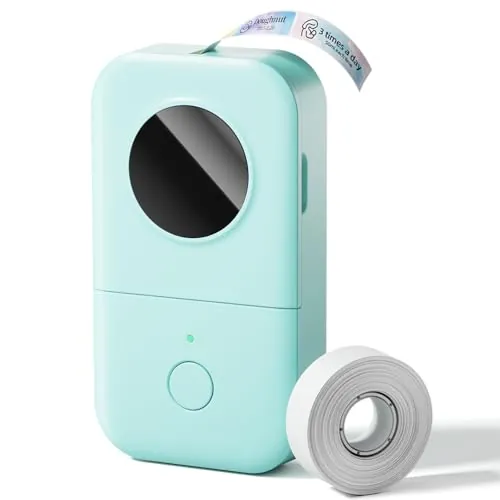
Phomemo D30 Portable Bluetooth Label Maker
- Very compact, lightweight design that’s easy to carry or store.
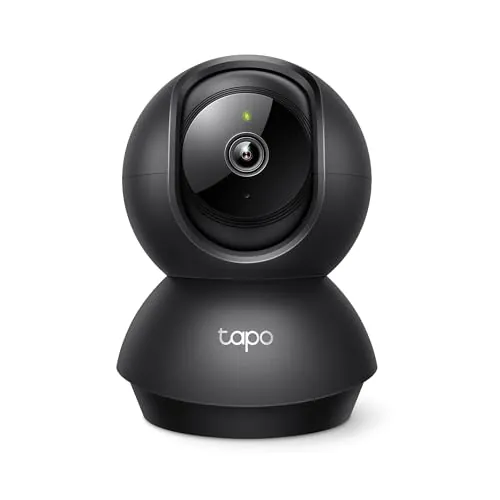
Comparison
Phomemo D30 and Tapo C201 are both low-cost, app-controlled home devices, but they solve very different problems: labeling vs indoor monitoring. The D30 focuses on portable, inkless label printing for organization and small-business tagging, while the C201 is a wired pan/tilt camera with motion alerts, night vision, and local recording options. Your best choice depends on whether you need tidy storage labels or room-wide video coverage.
#1 Overall Winner
Contender
Choose the Phomemo D30 if you want a pocketable label maker for home organization, school, crafts, or basic small-business tagging with low ongoing hassle from ink. Choose the Tapo C201 if you need an affordable indoor camera with pan/tilt coverage, alerts, night vision, and optional local storage. Neither is perfect: D30’s app can be glitchy, while C201’s Wi‑Fi performance varies by setup.
Overall winner
Depends on your needs
| Feature | Phomemo D30 Portable Bluetooth Label Maker | Tapo C201 1080P Indoor Pan/Tilt Wired Security Camera | Winner |
|---|---|---|---|
| Primary use case | Print labels for organization/tagging | Indoor monitoring (security/baby/pet) | Depends |
| Typical placement | Handheld / portable, used anywhere | Stationary indoor placement, near outlet | Phomemo D30 Portable Bluetooth Label Maker |
| Power source | Rechargeable battery | Corded electric | Phomemo D30 Portable Bluetooth Label Maker |
| Connectivity type | Bluetooth 4.0 to phone/tablet | Wi‑Fi (2.4GHz) to app | Depends |
| Core performance | Clear monochrome thermal labels (203 dpi) | 1080p video + night vision (30 ft) | Depends |
| Coverage / field of view | Label width up to ~0.55 in media size | Pan/tilt: 360° horiz, 114° vert | Tapo C201 1080P Indoor Pan/Tilt Wired Security Camera |
| Feature highlights | Templates, icons/frames, barcode/QR, OCR, Excel import | Motion/person/cry detection, 2-way audio, siren, privacy mode | Depends |
| App experience (buyer sentiment) | Useful but reports of glitches/subscription gating | Often praised; some complaints tied to connectivity | Tapo C201 1080P Indoor Pan/Tilt Wired Security Camera |
| Noise impact | Often described as very quiet while printing | Generally fine; pan/tilt and audio use can be noticeable | Phomemo D30 Portable Bluetooth Label Maker |
| Maintenance & ongoing costs | Needs label tape refills; no ink/toner | Optional microSD; optional cloud subscription | Depends |
| Portability | Pocket-sized (160g) | Compact but corded (0.42kg) | Phomemo D30 Portable Bluetooth Label Maker |
| Smart home integration | Phone app control only (label workflows) | Works with Alexa and Google Assistant | Tapo C201 1080P Indoor Pan/Tilt Wired Security Camera |
| Reliability risks mentioned | App glitches; occasional print degradation over time | Mixed reports: disconnections or stopping vs stable for others | Tie |
| Value perception | Frequently called great value for basic labeling | Frequently called great value for video quality/features | Tie |
In everyday home use, these devices support different routines. The Phomemo D30 helps reduce clutter and confusion by letting you label storage, cables, cosmetics dates, and school items quickly from your phone, and it’s easy to move room to room. The Tapo C201 supports peace of mind and check-ins—keeping an eye on pets, a sleeping baby, or a family member in another room—using pan/tilt control and alerts. If your “daily friction” is mess and misplacement, D30 fits better; if it’s wondering what’s happening at home while you’re away, C201 fits better.
The Phomemo D30 is the more kitchen-relevant tool because it can create labels for pantry containers, leftovers, and expiration dates, with many buyers using it for home organization. The Tapo C201 can be placed in a kitchen for monitoring, but it’s not designed for food prep tasks—its value there is mainly checking on pets, activity, or general indoor security.
For its intended task, Phomemo D30 performs well for quick, clean monochrome labels, with many buyers describing the print as crisp and the device as fast and quiet in regular use. Tapo C201 performs strongly as an indoor camera, with reviewers frequently praising picture quality, night vision, and the usefulness of pan/tilt to cover a room.
Performance concerns differ: D30’s output quality can be impacted by app setup (label sizing) and a small number of reports of degraded printing over time, while C201’s real-world effectiveness can be limited by Wi‑Fi stability and some lag in two-way audio.
Reliability is mixed for both, but for different reasons. With Phomemo D30, print quality is usually well-liked; however, reviews mention occasional app glitches (templates/fonts not loading) and a few cases where print quality degraded after months, sometimes leading to replacements. With Tapo C201, many users report stable performance and strong monitoring, but a recurring complaint is Wi‑Fi disconnections or the camera stopping unexpectedly, plus some lag in two-way audio. If reliability matters most, consider your tolerance for software quirks (D30) versus network-dependent performance (C201).
Only Tapo C201 is designed for security and monitoring. It provides 1080p video, night vision, pan/tilt coverage, detection alerts (including person and baby-cry), and two-way audio with a siren. Phomemo D30 does not provide monitoring or alerts; it’s a labeling tool for organization.
Tapo C201 is the only relevant product here. Its indoor security strengths are clear on paper: 1080p video, night vision up to 30 feet, pan/tilt coverage for scanning a room, and push notifications for motion/person/baby-cry detection. Reviews often praise picture quality and the usefulness of tracking and alerts. The main limitations to factor in are mixed connectivity feedback (some disconnections) and some delay in two-way audio, which can matter if you want real-time back-and-forth communication.
Neither product raises major safety red flags in the provided buyer feedback, but there are practical considerations. With Phomemo D30, the key safety points are basic device care: use appropriate charging (buyers caution against higher-powered chargers) and handle carefully to avoid damage from drops. With Tapo C201, safety is more about placement: keep cords managed to reduce trip hazards, mount securely if wall/ceiling mounting is used, and position it so it won’t be easily knocked over (noted by at least one pet household). If using C201 for baby monitoring, place it safely out of reach.
Both are generally easy to use, but the friction points are different. Phomemo D30 is widely described as simple to set up and convenient in daily use, though some buyers say the app takes time to learn and can be glitchy (especially around templates and premium items). Tapo C201 is often praised for straightforward setup and an easy-to-navigate app, but some users report Wi‑Fi connection hassles or disconnects. For quick “pick up and do a task,” D30 tends to feel simpler once paired.
Phomemo D30’s design is optimized for portability: it’s slim, lightweight, and app-controlled, making it easy to keep in a drawer, bag, or craft kit. Tapo C201 is compact for a camera and offers flexible viewing through pan/tilt, but it needs a stable spot and a power cord. Some buyers also mention wanting a more stable “countertop stand” feel out of the box, since it can be knocked out of position on a shelf. Choose D30 for minimal clutter; choose C201 for room placement and coverage.
Both are space-efficient, but in different ways. Phomemo D30 takes almost no room and can live in a drawer, desk, or bag, which is ideal for small flats and busy countertops. Tapo C201 has a small footprint for a pan/tilt camera, but it needs a stable surface or a mount location plus cable routing. If you want something that disappears between uses, D30 is easier to store; if you want continuous monitoring, C201 is still compact for permanent placement.
Phomemo D30 is commonly described as very quiet while printing, and it only runs briefly when producing labels. Tapo C201 is typically quiet when stationary, but it can be more noticeable when the pan/tilt motor moves, and two-way audio use may be less ideal for noise-sensitive situations due to lag rather than loudness. If you’re using a device late at night or near sleeping areas, D30 is usually the less disruptive option.
Phomemo D30 installation is minimal: charge it, load tape, pair via Bluetooth, and print from the app. Tapo C201 setup is still relatively simple, but it’s more involved: connect to Wi‑Fi, position near an outlet, and optionally mount it using the included screws/template. If you want the quickest start with the fewest placement constraints, the D30 is easier. If you’re comfortable placing or mounting a camera and configuring Wi‑Fi, the C201 is still beginner-friendly.
Tapo C201 comes across as the sturdier piece of hardware overall, with reviewers often describing the build as solid and suitable for being placed or mounted in a room. Phomemo D30 is designed to be light and pocketable, which is convenient, but long-term toughness is more mixed in reviews—drops can break it, and a small number of users report print issues over time. If you expect frequent moving around, the D30’s portability helps, but it may need more careful handling.
Tapo C201 appears better suited to long-term stationary use: it’s designed to sit or mount indoors and is less likely to be dropped or handled daily. Phomemo D30 is portable by design, which increases the chances of knocks and drops; at least one buyer reported theirs broke after a fall onto concrete. There are also a few mentions of print degradation over time. If you want something to travel in a bag, a protective case for the D30 may be worth considering.
Phomemo D30’s maintenance is mostly about keeping it charged and swapping label tapes. Since it’s thermal, you don’t manage ink or toner, and buyers describe loading labels as easy, but you may need to track tape sizes and compatibility for smooth printing. Tapo C201 maintenance includes keeping it powered, placing it securely, updating firmware when prompted, and deciding on storage (microSD or optional cloud). Ongoing upkeep is light for both, but C201 adds storage planning and occasional network troubleshooting.
Phomemo D30 is the clear winner for portability. It’s designed to be handheld and pocketable, making it easy to label items anywhere—at home, school, or a small business booth. Tapo C201 is compact enough to move between rooms, but because it’s corded and intended for fixed indoor monitoring, it’s less “grab-and-go.” If you plan to travel with a device, the D30 fits that role better.
Phomemo D30’s feature set is centered on label creation: templates, symbols, decorative frames, text editing, barcodes/QR codes, image import, timestamping, and even OCR/voice input functions within the app. Tapo C201’s features focus on monitoring: pan/tilt viewing, motion/person/baby-cry detection with notifications, night vision, two-way audio, a siren, and local recording to microSD with optional cloud storage.
If you want creative control over printed labels, D30 has more creation tools. If you want home monitoring and alerts, C201 is far more feature-complete.
Phomemo D30’s app is feature-rich for label creation (templates, icons, frames, barcode/QR, importing), but multiple reviews mention glitches, premium subscription prompts, and frustration when saved templates don’t reliably load. Tapo C201’s app is commonly described as straightforward and easy to navigate, with convenient live viewing and controls, though user satisfaction can drop when Wi‑Fi stability is poor. If you want creative control, D30’s app is powerful; if you want quick monitoring, C201’s app experience is typically smoother.
Tapo C201 is the clearer smart home device: it connects over Wi‑Fi, sends detection notifications, supports Alexa/Google Assistant viewing, and offers options for local or cloud video storage. Phomemo D30 is “smart” in the sense that it’s app-driven and Bluetooth-connected, but it’s primarily a creative/utility printer rather than a home automation component. If your goal is alerts, remote access, and monitoring, C201 is the stronger fit.
Tapo C201 is better aligned with smart home workflows thanks to Wi‑Fi operation, app alerts, and compatibility with Amazon Alexa and Google Assistant for viewing on supported displays. It also supports local recording via microSD and optional cloud features, which can influence how you build routines around reviewing footage. Phomemo D30 is app-driven and convenient, but its “smart” features mainly support label design (templates, icons, barcodes/QR) rather than automation or ecosystem control.
Tapo C201 offers more “hands-off” behavior through detection-driven notifications and features like motion/person/baby-cry detection, plus options that can be expanded with cloud features. Phomemo D30 is not an automation device; it’s manual by nature—open the app, create a label, and print. If you want a device that reacts to events in a room, C201 is the clear choice.
Phomemo D30 uses Bluetooth 4.0 to connect to phones and tablets, and many buyers report fast, easy pairing for printing on demand. Tapo C201 relies on 2.4GHz Wi‑Fi, enabling remote viewing and notifications, but also introducing more variability—reviews include both smooth long-term operation and reports of frequent disconnections. If you want consistent, close-range connectivity for a simple task, Bluetooth can feel more dependable; for remote monitoring, Wi‑Fi is necessary but more dependent on network conditions.
Phomemo D30 is efficient for short, frequent labeling sessions because thermal printing avoids ink/toner steps and the device is designed for quick jobs with minimal setup once paired. Tapo C201’s efficiency is about continuous monitoring: it runs on corded power, can record locally to microSD, and provides alerts without requiring paid add-ons for basic detection. In practice, the camera’s “efficiency” can depend on Wi‑Fi reliability and how often pan/tilt or alerts are triggered in a busy room.
Tapo C201 is the more privacy-sensitive device because it captures indoor video and audio. It offers subscription-free local recording via microSD and optional cloud storage, so your privacy trade-offs depend on whether you keep footage local or store it in the cloud. Phomemo D30’s privacy exposure is lower in typical use, but it still relies on a phone app and Bluetooth connection, and reviews mention subscription prompts for some features. If privacy is a top priority, consider camera placement, who has app access, and whether you truly need cloud storage.
Both products are widely seen as strong value, but value looks different by category. Phomemo D30 is inexpensive upfront and avoids ink/toner costs thanks to thermal printing; ongoing costs are mainly label tape refills, and buyers like the convenience for frequent home labeling. Tapo C201 offers a lot of monitoring capability for a low price—pan/tilt, detection alerts, night vision, and optional local storage—though you may need to buy a microSD card, and cloud features are optional. If you’ll use labels constantly, D30’s value adds up; if you want room monitoring on a budget, C201 is hard to ignore.
Based on the provided data, both brands have strong market visibility (very large review counts) and generally positive buyer sentiment. Phomemo’s trust signals in reviews include responsive support and replacements in at least one case, alongside complaints about app glitches and premium gating. Tapo (TP-Link) earns trust from many reviewers who buy multiple cameras and praise the overall experience, but mixed reports of disconnections suggest outcomes can vary by home network. If brand trust is key, prioritize clear support expectations and how tolerant you are of app/network troubleshooting.
Customer satisfaction is high for both, with the Tapo C201 slightly stronger in overall sentiment. Phomemo D30 buyers frequently praise ease of use, compactness, and crisp labels, and many see it as a great value; the most repeated negatives focus on a glitchy app and frustration with subscription-gated design items, plus occasional reports of label fading or print issues later on. Tapo C201 reviewers often highlight impressive picture quality, useful motion detection, and simple setup for the price, while the most common complaints involve Wi‑Fi disconnections and lag in two-way audio.
Tapo C201 is the stronger overall smart home pick because it combines 1080p video, pan/tilt room coverage, useful detection alerts, and flexible storage options at a low price, with very high buyer satisfaction. Its main limitation is that reliability can hinge on Wi‑Fi stability, and some users experience two-way audio lag.
Phomemo D30 is a better match if your priority is practical organization: it’s highly portable, prints clear monochrome labels, and avoids ink/toner costs. Its main drawbacks are app glitches and some subscription-gated customization, plus mixed long-term durability feedback. The right choice depends on whether you’re solving clutter or monitoring.
Overall winner
Depends on your needs
They’re built for different jobs. Phomemo D30 is for printing labels for organization, school, crafts, and small business tagging from a phone via Bluetooth. Tapo C201 is for indoor monitoring with 1080p video, pan/tilt coverage, motion alerts, and night vision. The “better” choice depends on whether you need labeling or security monitoring.
For physical organization (bins, cables, pantry items, dates), the Phomemo D30 is purpose-built and widely praised for clear labels and portability. The Tapo C201 can support organization indirectly by monitoring rooms, pets, or deliveries inside the home, but it doesn’t replace a labeling tool for drawers, shelves, and storage systems.
Both are generally described as easy to set up, but in different ways. The Phomemo D30 pairs over Bluetooth and uses an app for creating labels; some buyers say the app takes a little time to learn and can be glitchy. The Tapo C201 is often praised for simple setup, though some users report Wi‑Fi connection issues.
Phomemo D30 is extremely space-friendly because it’s palm-sized and can be stored in a drawer or bag, making it ideal for small homes. Tapo C201 is also compact, but it needs a power outlet and is typically placed on a shelf or mounted. For minimal clutter, the label maker is easier to keep out of the way.
Phomemo D30 can be used without a subscription, but reviews mention that some fonts and design elements may be locked behind a premium tier. Tapo C201 supports subscription-free local recording via microSD (card not included), with an optional Tapo Care plan for cloud storage and additional benefits. What you need depends on your features and storage preferences.
The Phomemo D30 is frequently described as very quiet while printing, and it only runs briefly when producing labels. The Tapo C201 is a camera that can move its pan/tilt motor when adjusting or tracking, and noise sensitivity depends on placement (for example, near a crib). If noise is a priority, the D30 is typically less noticeable.
For Phomemo D30, several reviews mention app glitches and frustration with premium subscription prompts, such as not being able to filter out paid fonts/icons and occasional trouble loading saved templates. For Tapo C201, the app is often considered straightforward, but connectivity experiences vary, with some users reporting disconnections and others finding it stable after setup.
Neither is flawless. Phomemo D30 reviews include cases of print quality degrading over time or damage after drops, though some buyers report responsive support and replacements. Tapo C201 reviews are mixed on reliability and connectivity: many report consistent performance, while others say it disconnects or stops working. A stable network and careful placement can matter for the camera.
Tapo C201 supports continuous local recording to a microSD card (up to 512GB), which can reduce reliance on cloud subscriptions (microSD not included). Phomemo D30 doesn’t record media; it outputs physical labels on thermal tape. Any “storage” is essentially keeping label designs/templates inside the app, which some users say can be inconsistent.
Check our rankings and expert guides to find the best home lifestyle products for your goals.