#1 Overall Winner
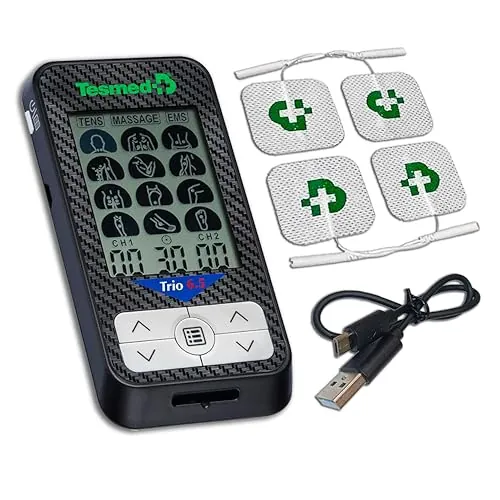
TESMED Trio 6.5
- Wide choice of programs for different goals (EMS, TENS, and massage modes).
Comparison
TESMED Trio 6.5 and the TheraFlow Foot Massager both aim to improve comfort and pain relief at home, but they do it in very different ways. TESMED uses TENS/EMS electrode stimulation with many programs and adjustable intensity, while TheraFlow is a simple manual wooden roller focused on foot relief (especially arches and heels). Your best pick depends on whether you need multi-area targeting or primarily plantar-fasciitis-style foot rolling.
#1 Overall Winner
Contender
Choose TheraFlow if your main goal is easy, consistent foot relief with little maintenance and a sturdy build. Choose TESMED Trio 6.5 if you want electrode-based stimulation you can place on different body areas, with lots of programs and finer intensity control, and you don’t mind a bit of learning curve.
Overall winner
Depends on your needs
| Feature | TESMED Trio 6.5 | TheraFlow Foot Massager | Winner |
|---|---|---|---|
| Type of massager | TENS/EMS electrostimulator with electrodes | Manual wooden foot roller | Depends |
| Primary target area | Multi-area (pads can be placed where needed) | Feet (arches/heels/soles) | Depends |
| Programs / modes | Multiple programs across TENS, EMS, massage | No electronic programs | TESMED Trio 6.5 |
| Intensity control | Many intensity levels; dual channels | User-controlled pressure via body weight | Depends |
| Ease of use | More setup (pad placement; screen readability concerns) | Very simple; roll feet on it | TheraFlow Foot Massager |
| Build feel | Some concerns about plastics/robustness | Sturdy wood construction | TheraFlow Foot Massager |
| Portability | Very compact and lightweight | Portable but heavier and larger than a pocket device | TESMED Trio 6.5 |
| Ongoing upkeep | Recharge and manage electrode pads | Minimal upkeep; no power needs | TheraFlow Foot Massager |
| Noise during use | Effectively silent operation | No motor, but squeaking reported by some | TESMED Trio 6.5 |
| Best for plantar fasciitis | Not foot-specific; depends on pad placement | Commonly used for plantar fasciitis relief | TheraFlow Foot Massager |
| Best for back/shoulder discomfort | Common use case via electrode placement | Not designed for back/shoulders | TESMED Trio 6.5 |
| Value for money | Strong value if you use multiple modes and areas | Strong value for foot relief with very high satisfaction | Depends |
In day-to-day routines, TheraFlow is easier to “leave out and use” because it works instantly with no setup: put it on the floor and roll your feet while you relax. TESMED fits better into a planned session where you’re willing to place pads, choose a program, and adjust intensity, which can pay off when you want targeted relief beyond just the feet (for example, back or shoulder areas). Both store easily, but TESMED’s smaller footprint makes it easier to tuck into a drawer or travel kit.
Both products focus on comfort, but in different ways. TESMED aims to deliver targeted stimulation for muscle comfort and pain relief, with multiple program types and adjustable intensity for more personalised sessions. TheraFlow focuses on physical pressure and rolling for feet, which many users find helpful after long days standing, especially for arch and heel discomfort. If your main comfort issue is foot fatigue, TheraFlow is more direct; if you want broader body-area support, TESMED is more flexible.
TheraFlow performs strongly for its intended job: manual foot relief, particularly for arches and heels, with many reviews describing quick, noticeable improvement when used regularly. Because it’s manual, results depend on consistent use and how much pressure you apply, but the basic mechanism is straightforward.
TESMED Trio 6.5 performs well for users who want electrode-based sessions, with reviews noting real relief and a strong-feeling output. The main performance caveat is not the stimulation itself, but usability factors (screen readability and pad placement learning) that can affect whether people get the most from the programs.
TheraFlow’s reliability is supported by its simple construction: fewer parts and no electronics generally mean fewer failure points. Reviews repeatedly describe it becoming part of a daily routine over weeks, which suggests consistent use without major functional issues. A minor reliability-style complaint is squeaking, which can develop or appear under heavier pressure.
TESMED Trio 6.5 has strong reports of effective sessions over many uses, including pad stickiness holding up for some owners. The main reliability concern raised is more about robustness of materials rather than repeated electronic failures, so careful handling may matter.
With TheraFlow, safety is mainly about pressure control and footing. Because you control intensity by body weight, it’s sensible to start gently, especially if your feet are very sore, and use it seated if balance is a concern. The non-slip base can help stability on hard floors.
With TESMED, safe use depends on following electrode placement guidance and using comfortable intensity levels rather than pushing too high too quickly. Reviews mention the placement learning curve, so using the manual and building intensity gradually can reduce the chance of an unpleasant session. Neither product is listed as water resistant, so avoid wet environments.
TheraFlow is comfortable for people who like direct pressure and want instant control: you can start gentle and increase pressure over time as sensitivity improves. Some users note it can feel intense at first on very sore feet, which is typical for deep-pressure rolling.
TESMED can feel very comfortable once dialled in, since you can choose programs and intensity levels to match sensitivity. Comfort may depend on correct electrode placement and gradually increasing intensity, especially for new users.
TheraFlow is easier for most people: there’s no charging, no pairing, and no setup beyond placing it on the floor. You control pressure naturally, which makes it approachable even for first-time users.
TESMED requires a bit more attention: electrode placement matters, and at least one review mentions the screen is difficult to read and that placement guidance wasn’t immediately clear without extra trial and error. Once set up, sessions can be straightforward, but the first week can take more learning.
TESMED is designed for portability and discreet storage, with a compact, lightweight body and a display-based control interface. The practical downside is that a small screen can be harder to read, especially in low light.
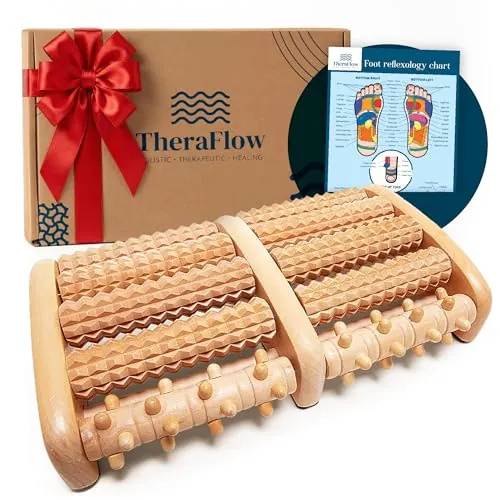
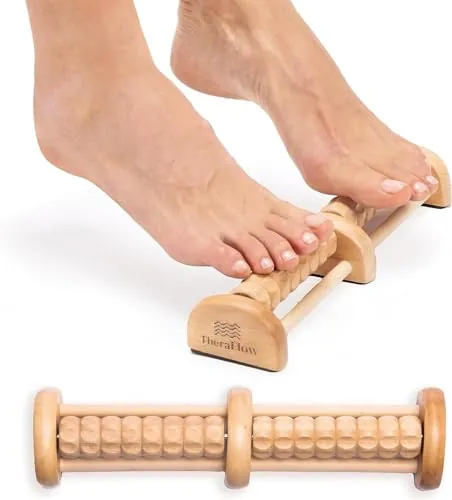
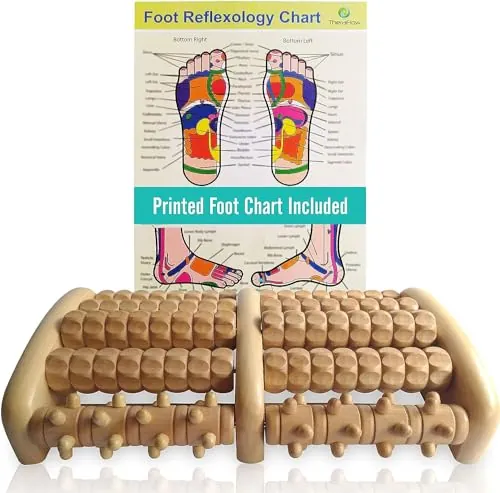
TheraFlow’s design is simple and ergonomic for feet, with multiple rolling rows and a stable base that works on many floor surfaces. It takes more floor space than a pocket-sized device but is still compact enough to slide under a desk or keep near a sofa.
TESMED’s “capacity” is about where you can place electrodes: it’s suitable for multiple body areas as long as you can position the pads comfortably and follow placement guidance. This makes it more flexible for households that want one device for different aches and recovery routines.
TheraFlow has a larger physical footprint and a dedicated surface for foot coverage, including arch and heel rolling. If your goal is to treat both feet easily in a repeat routine, the roller’s size and layout can feel more accommodating.
They’re both easy to store, but in different ways. TESMED takes up very little space and can live in a drawer or small pouch. TheraFlow uses more physical volume, yet it still fits easily under a chair or bed and doesn’t create cable clutter. If you have very limited storage (small flat, shared room), TESMED’s compact design is easier to keep out of sight.
TESMED Trio 6.5 is effectively silent during operation, which suits late-night use, shared rooms, or quiet home offices.
TheraFlow has no motor noise, but multiple reviewers mention squeaking during rolling, particularly when pressing hard. For many households it’s a minor issue, but if you’re noise-sensitive, it’s worth considering where you’ll use it (for example, not directly next to a sleeping partner).
TheraFlow’s wooden construction is frequently described as sturdy, and its non-slip base helps it stay stable during use. With no electronics, there are fewer components that could fail in typical day-to-day handling.
TESMED Trio 6.5 gets more mixed feedback on physical robustness: some users mention plastics that feel lower quality. That doesn’t mean it won’t hold up, but it suggests being more careful with storage, cable handling during charging, and avoiding pulling on the electrode leads.
TheraFlow’s wood build and manual design generally support long-term use, especially since there’s no battery to age or electronics to fail. Over time, durability may mainly depend on how the rollers and joints hold up and whether squeaking becomes more noticeable.
TESMED’s long-term durability may be more variable: owners mention plastics that can feel less sturdy, and electrode pads are a wear item. If you plan frequent use, expect to treat pads and cables as consumables and store the unit carefully.
TheraFlow is low-maintenance: keep it clean and consider that it’s best as a personal item for hygiene if multiple people in a home want foot rolling. There’s no charging and no replaceable electronic parts referenced in the listing.
TESMED requires more routine care: keep electrodes clean so they adhere well, store pads properly between sessions, and manage charging. Since pad placement matters, keeping the manual accessible can help reduce trial-and-error and improve consistency.
Both products travel well, but TESMED is easier to pack because it’s very small and lightweight, and it’s rechargeable for use away from outlets. That makes it convenient for trips, gym bags, or keeping at work.
TheraFlow is still portable and fits in many bags, but it is larger and heavier than a pocket device. It’s better suited to keeping under a desk, near a sofa, or bringing to work when you don’t mind the extra bulk.
TESMED Trio 6.5 is the feature-heavy option: it offers multiple program types (TENS, EMS, massage), many intensity levels, and two independent channels for more customised sessions. It also includes a detailed manual with illustrated placement guidance.
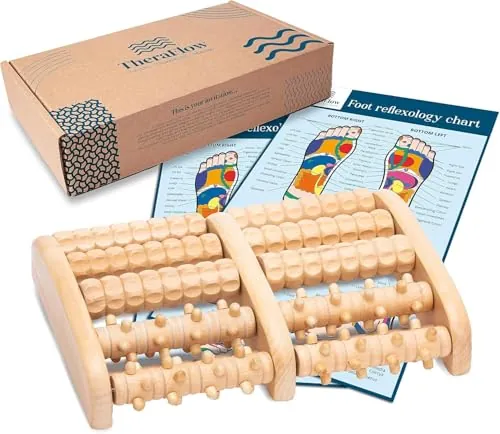
TheraFlow intentionally keeps features simple: it’s a wooden roller with multiple rows and nubs for deep tissue and reflexology-style rolling, plus a reflexology chart. If you want variety of electronic modes, TESMED wins; if you want a no-frills tool that’s always ready, TheraFlow’s simplicity is the point.
TheraFlow is highly efficient in day-to-day use because it’s manual: there’s no charging time, no battery management, and you can use it for as long or as briefly as you like. That simplicity can make it easier to stick to a routine.
TESMED is efficient in a different way: it can deliver structured sessions with adjustable intensity and programs, but it does require charging and some setup time for pad placement. If you use it across multiple body areas, that extra setup can be worth it.
TheraFlow offers strong value if your main problem is foot pain or plantar fasciitis-style discomfort. It’s inexpensive, has extremely high review volume with strong satisfaction, and has essentially no running costs (no power, no charging).
TESMED Trio 6.5 can be excellent value if you will actually use its breadth: multiple program types, many intensity steps, and multi-area placement make it more like a general-purpose at-home electrotherapy tool. The value equation is less favourable if you only need occasional foot relief or if you dislike managing pads and charging.
Both products show strong buyer adoption, but TheraFlow stands out for extremely high review volume and consistently positive feedback around build and results for foot relief. TESMED also has strong satisfaction and repeat-use feedback, but comments about less robust plastics slightly temper confidence around long-term ruggedness.
Based on the provided data, neither listing provides detailed support or warranty specifics beyond general marketplace norms, so brand trust may come down to the type of product you prefer: simple manual hardware (TheraFlow) versus a more complex electronic device with consumables (TESMED).
Both are well rated, but TheraFlow’s customer sentiment is notably strong with a very large number of reviews and repeated mentions of plantar fasciitis relief, post-work soreness reduction, and easy daily use (often while watching TV). The most repeated complaint is squeaking.
TESMED also receives strong satisfaction and frequent mentions of effective relief and good program variety. However, several comments point to usability friction (hard-to-read screen and pad placement confusion) and mixed impressions of build materials, which may affect some buyers’ long-term happiness.
Neither product is a universal winner because they target different problems. TheraFlow Foot Massager is the better pick for foot-focused relief: it’s simple, durable, easy to use daily, and has exceptionally strong buyer feedback, with squeaking as the most common annoyance. TESMED Trio 6.5 is the better choice for broader pain relief and muscle routines across different body areas, with lots of programs and adjustability, but it comes with more setup and some concerns about screen readability and build robustness.
If you want a reliable, low-effort tool for arches and heels, choose TheraFlow. If you want multi-area electrotherapy and don’t mind learning pad placement, choose TESMED.
Overall winner
Depends on your needs
They suit different needs. TESMED Trio 6.5 is better if you want pad-based stimulation you can place on areas like back, neck, shoulders, or legs, with multiple programs and intensity control. TheraFlow is better if your main goal is simple, consistent foot relief (especially arches and heels) with manual pressure and very low ongoing upkeep.
TheraFlow is the more direct fit because it is designed specifically for rolling the arches and heels, and many reviews mention plantar fasciitis relief. TESMED can be used for lower-body discomfort depending on pad placement and program choice, but it is a general-purpose TENS/EMS unit rather than a foot-focused roller.
TheraFlow is typically easier: you place it on the floor and roll your feet, controlling pressure naturally. TESMED Trio 6.5 has more options, but owners mention a learning curve around pad placement and a screen that can be hard to read. If you want “grab and use,” the roller is simpler.
TESMED Trio 6.5 is effectively silent during use because it does not rely on a motorised roller or moving parts. TheraFlow has no motor noise, but some users report squeaking from the wooden rollers during use, especially when pressing down hard. Noise sensitivity may matter in bedrooms or offices.
TheraFlow has minimal maintenance beyond keeping it clean, since it is a manual wooden tool with no charging. TESMED Trio 6.5 is rechargeable and uses electrode pads; owners often consider pad care and eventual replacement part of long-term use. The manual also matters for correct pad placement.
TESMED Trio 6.5 is the better match for back or shoulder discomfort because you can place electrodes directly on the area and choose TENS-style programs. Reviews specifically mention relief for back and shoulder issues. TheraFlow is intended for feet and won’t directly target the upper body.
TESMED includes EMS programs aimed at stimulating major muscle groups and can be used to support recovery after activity. It also has many intensity levels and two channels for more customised sessions. Keep in mind that some owners mention the device feels less robust, so careful handling may help.
TheraFlow often feels like strong value if your main need is foot relief, because it is simple, durable, and has very high customer satisfaction with no charging or consumables. TESMED can be better value if you will use multiple modes (TENS/EMS/massage) across different body areas and want more adjustability.
TheraFlow is particularly suited to casual use while watching TV or sitting at a desk because it’s a simple rolling motion with instant pressure control. TESMED can also be used while seated, but it requires electrode placement and selecting programs, which can make it slightly less “drop-in” for quick sessions.
Check our rankings and expert guides to find the best home lifestyle products for your goals.