#1 Overall Winner
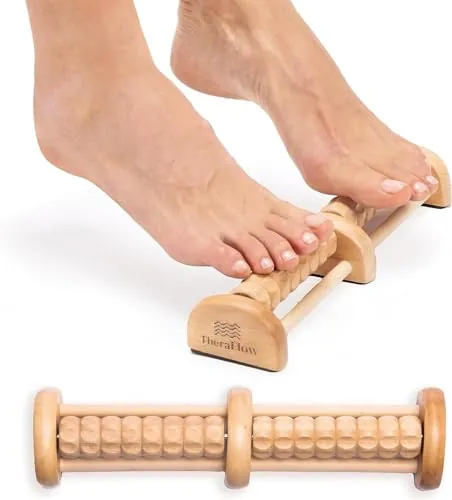
TheraFlow Small Dual Foot Massager Roller (Dual Foot)
- Manual dual-foot roller design is simple to use while sitting at a desk or on the sofa.
Comparison
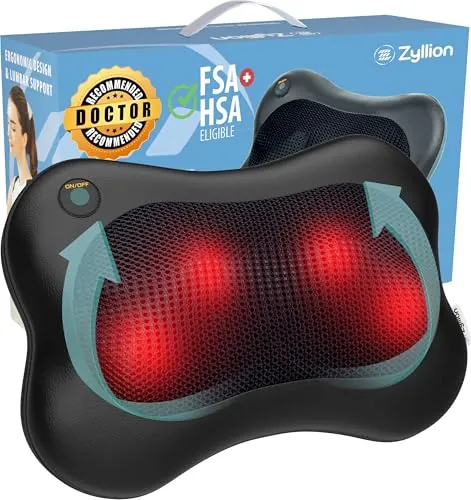
The TheraFlow Small Dual Foot Massager is a manual wooden foot roller aimed at plantar fasciitis and everyday foot soreness, while the Zyllion ZMA-13 is a corded electric shiatsu pillow built for deeper kneading on the back and neck (with optional heat). TheraFlow is simpler and easier to use anywhere, but it’s foot-only and some buyers note stability issues. Zyllion is more versatile and feature-rich, though durability and cover wear are recurring concerns for heavy users.
#1 Overall Winner
Contender
Choose the TheraFlow dual foot roller if you mainly want simple, portable plantar fasciitis and foot pain relief at a desk or at home with almost no upkeep. Choose the Zyllion ZMA-13 if you want deeper, powered kneading for back/neck tightness and you value heat and timed sessions—while accepting the need for a plug and some mixed durability feedback.
Overall winner
Depends on your needs
| Feature | TheraFlow Small Dual Foot Massager Roller (Dual Foot) | Zyllion Shiatsu Back and Neck Massager with Heat (ZMA-13) | Winner |
|---|---|---|---|
| Type | Manual dual-foot massage roller | Corded electric shiatsu massage pillow | Depends |
| Primary body area focus | Feet (roller designed for arches/heels) | Back/neck/shoulders + legs/feet | Zyllion Shiatsu Back and Neck Massager with Heat (ZMA-13) |
| Plantar fasciitis suitability | Foot-focused use case | Listed for feet among other areas | Depends |
| Heat function | Listing mentions “heat” (no powered heat details provided) | Heat mode included | Zyllion Shiatsu Back and Neck Massager with Heat (ZMA-13) |
| Power / cords | Cordless (manual) | Not cordless; 6 ft cord | TheraFlow Small Dual Foot Massager Roller (Dual Foot) |
| Safety features | Non-slip strips; manual use | Overheat protection; auto shutoff after 20 min | Zyllion Shiatsu Back and Neck Massager with Heat (ZMA-13) |
| Portability | Very light and small | Portable but heavier; needs power | TheraFlow Small Dual Foot Massager Roller (Dual Foot) |
| Use in car | No power needed (but floor space required) | Car adapter included | Zyllion Shiatsu Back and Neck Massager with Heat (ZMA-13) |
| Ease of use | Roll feet while seated; minimal setup | Simple controls; positioning/strapping needed | TheraFlow Small Dual Foot Massager Roller (Dual Foot) |
| Build quality feedback | Generally sturdy wood; stability mixed | Mixed durability; cover can wear; some early failures | Tie |
| Maintenance | Low upkeep; occasional squeak reported | Cover wear may require replacement; possible overheating breaks | TheraFlow Small Dual Foot Massager Roller (Dual Foot) |
| Space efficiency | Small under-desk footprint | Compact pillow form | Tie |
| Noise considerations | Mostly quiet manual rolling; squeak mentioned by some | Motorized kneading sound; described as quiet | Depends |
| Upfront price | Lower cost | Higher cost | TheraFlow Small Dual Foot Massager Roller (Dual Foot) |
| Warranty / support | Warranty info not clearly provided in data | 3-year warranty stated (with registration extension) | Zyllion Shiatsu Back and Neck Massager with Heat (ZMA-13) |
For everyday home use, TheraFlow is the “leave it by your desk/sofa” option: you can grab it anytime, roll both feet, and put it away without thinking about cords or timers. Zyllion fits better into a scheduled routine—placing it behind your back on a chair, using the straps, and running a timed session with or without heat. Households that want a quick foot-focused tool tend to prefer TheraFlow; households managing neck/back tightness often get more day-to-day benefit from Zyllion’s powered kneading.
Both products are comfort-oriented rather than climate devices, but they support “at-home recovery” in different ways. TheraFlow focuses on foot comfort and can be used briefly multiple times per day without setup, which suits people who feel foot fatigue from standing or walking. Zyllion is more of a whole-body comfort aid for muscle tension, offering heat and kneading that many users describe as deeply relaxing, especially for back and neck tightness. Comfort preference will depend on whether you enjoy rolling pressure on the feet or stronger kneading nodes on larger muscle groups.
In terms of intended performance, TheraFlow’s strength is consistent, repeatable foot rolling: many reviews describe noticeable plantar fasciitis and arch relief when used daily, especially while seated. Its performance depends on your technique and the surface under it, and a few users report it can tip if you press hard into the heel.
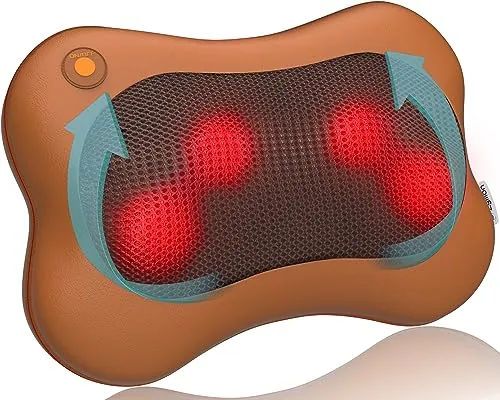
Zyllion’s performance is centered on powered, deep kneading for back and neck tightness, with widespread feedback that it “gets into” sore muscles and helps with relaxation. A minority of buyers find the nodes uncomfortably hard, and some report durability issues that can limit long-term performance.
TheraFlow’s reliability profile is mostly about consistent day-to-day usability: it’s manual, so there’s no motor to fail, and reviews frequently describe repeat use over time. The main reliability-style complaint is functional stability—some users report it moving or tipping depending on how they use it.
Zyllion’s reliability feedback is more mixed. Many users report long-term satisfaction and consistent pain relief, but there are also reports of units breaking within a couple of months and recurring cover wear from friction. If you plan heavy, frequent use, Zyllion may require more attention to wear and support options.
TheraFlow is manual, which reduces electrical risks, but there are still practical safety considerations: if it slides or tips (as some buyers report), it can create awkward foot/ankle positioning or minor trip risk if left out on the floor. The listing also states it is not water resistant, so it should be kept away from wet areas.
Zyllion adds electrical and heat-related considerations, but it also lists safety features such as overheat protection and automatic shutoff after 20 minutes. Users should still be cautious with pressure and positioning—especially if sensitive—since some reviews mention the nodes feeling too hard or causing discomfort.
Comfort is highly preference-based here. TheraFlow provides rolling pressure that many users find soothing once they get used to the initial intensity, and it’s easy to control by adjusting how much weight you put into each foot. Zyllion’s kneading nodes can feel closer to a deep-tissue massage and the heat mode can increase perceived relaxation, but some users find the nodes too hard or painful if positioned poorly or if they’re sensitive. If you want gentler, self-controlled pressure, TheraFlow can be more comfortable; if you want stronger kneading and warmth, Zyllion is often preferred.
TheraFlow is almost instant to use: place it on the floor and roll your feet while seated, with little learning curve. Zyllion is still straightforward (simple controls), but ease of use depends on positioning—finding the right spot on a chair or bed, managing the cord, and adjusting pressure so the kneading feels helpful rather than too intense. For quick, frequent sessions, TheraFlow is generally simpler; for targeted back/neck work, Zyllion can take a bit more setup.
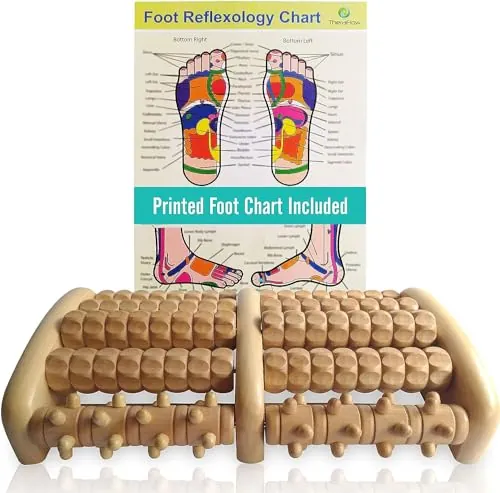
TheraFlow’s design is compact and purpose-built: two rollers side-by-side so you can work both feet at once, with a small footprint that fits under a desk. Zyllion looks and functions like a firm pillow, designed to press between your body and a chair or bed; straps help keep it in place, and the shape suits multiple body areas. If you want something you can leave on the floor and use passively, TheraFlow is more ergonomic for that. If you want a device you can position behind the back/neck, Zyllion’s form factor is more adaptable.
Capacity is mainly about coverage area. TheraFlow is sized for feet and can be used on both feet simultaneously, but it doesn’t extend beyond foot-level work. Zyllion covers a wider range of body areas (back, neck, shoulders, legs, and feet) thanks to its pillow format and straps, making it a better “one device for many spots” option. If your household needs multi-area relief, Zyllion effectively has more usable coverage.
Both are space-efficient compared with larger massage devices. TheraFlow’s under-desk footprint is very small and stores easily in a drawer or bag. Zyllion is compact for a powered device and can be kept on a chair, bedside, or in a car, but it does take more storage volume and includes cords/adapters. For the smallest, least cluttered setup, TheraFlow is easier to live with.
TheraFlow is typically low-noise because it’s manual, but some buyers mention squeaking during use (often manageable with simple care). Zyllion uses a motor-driven kneading mechanism, which produces an operating sound, though the product is described as quiet. For shared spaces or late-night use, either can work—just consider whether occasional squeaks or a steady motor hum would be more disruptive in your home.
TheraFlow is described as sturdy wood, and many buyers consider it well made for the price. The main build-related complaint is practical stability—some users say it stays put, while others say it shifts or can tip when applying strong heel pressure.
Zyllion’s housing and mechanism are often praised for feeling solid initially, but long-term feedback is mixed: cover wear/tearing from friction is a repeated theme, and some users report the unit breaking within a short period. If longevity is a priority, both have caveats, but the failure mode differs (stability vs wear/breakage).
TheraFlow’s wooden construction and simple mechanics generally support good durability for the price, since there are fewer parts to wear out. Over time, minor issues like squeaking may appear, and stability can depend on how the base grips your flooring.
Zyllion can last for years for some owners, but durability is less consistent in buyer feedback: the moving kneading mechanism creates friction that can wear the cover, and some users report early breakdowns. For heavy daily users, durability risk appears higher with the electric pillow than with the simple roller.
TheraFlow maintenance is minimal: keep it clean and store it dry (it’s not water resistant). If it squeaks, some users address it with oil. Zyllion maintenance is more involved: you may need to manage or replace the cover as it wears, ensure vents and moving parts aren’t obstructed, and allow rest periods if it overheats during heat mode. If you want a low-hassle item you can use indefinitely with minimal upkeep, TheraFlow is easier.
TheraFlow is highly portable: it’s small, very light, and cordless because it’s manual. It’s easy to move from room to room or take to the office. Zyllion is portable in the sense that it can travel and includes a car adapter, but it’s heavier and requires power, so you’ll be packing and managing cords and adapters. For truly grab-and-go portability, TheraFlow wins; for powered portability (car + home), Zyllion has the advantage.
TheraFlow keeps features minimal: a dual-foot roller format with non-slip strips and a simple manual rolling action. Zyllion includes more built-in functionality—heat mode, auto shutoff, overheat protection, automatic direction changes, straps to secure it to a chair/headrest, and both home and car power adapters. If you want an uncomplicated tool with no settings, TheraFlow fits. If you want timed sessions, heat, and more ways to position the massager, Zyllion is clearly more feature-rich.
TheraFlow is efficient in the practical sense: it’s manual, so there’s no electricity use, no charging downtime, and you can do short sessions whenever you like. Zyllion is efficient at delivering consistent powered kneading without user effort, but it does draw power and can require breaks—especially when using heat—due to overheat protection behavior mentioned by reviewers. If you want the most “always ready” option with minimal operating cost, TheraFlow has the advantage.
TheraFlow tends to be strong value for shoppers who want foot pain relief on a tight budget. Reviews frequently describe it as worth the price, and ongoing costs are minimal because it’s manual and has no accessories called out as routine replacements.
Zyllion costs more upfront but bundles more capability: powered deep kneading, optional heat, straps, and a car adapter, plus a stated longer warranty with registration. Value will be best if you regularly use it across multiple body areas. If you only need simple foot rolling, the added cost (and durability risk) may not be worthwhile.
Based on the provided data, Zyllion offers clearer support signals through an explicit multi-year warranty (including an extension with registration) and review examples describing responsive customer service for replacement covers. TheraFlow has very high customer satisfaction and long-standing buyer feedback for a simple product, but warranty/support details are less clearly defined in the provided information. If support clarity matters, Zyllion has the edge; if you prefer simplicity with fewer support needs, TheraFlow benefits from its low-complexity design.
Both products have high star ratings and very large review counts, suggesting broad buyer uptake. TheraFlow’s feedback strongly centers on plantar fasciitis and daily foot relief, with common praise for ease of use and “worth the price,” while recurring negatives focus on stability (moving or tipping) and occasional squeaking.
Zyllion’s feedback highlights deep muscle relief, relaxation, and appreciation for heat, with many users comparing the feel to a strong kneading massage. Negative themes are more about durability (including some early failures), cover wear, and a minority finding the nodes too hard or painful. Overall satisfaction is strong for both, but the complaint types differ.
Zyllion provides a stated 3-year warranty structure (1-year automatic plus a 2-year extension with registration) and reviews mention responsive support, including replacement covers. For TheraFlow, warranty/support specifics aren’t clearly provided in the data, so it’s harder to compare beyond general buyer satisfaction. If warranty length and formal support are important to you, Zyllion is the clearer option.
Neither product is a universal winner because they target different needs. TheraFlow is the better choice for most people who want a simple, low-cost way to roll out foot pain—especially plantar fasciitis symptoms—during daily routines. Its standout strengths are ease of use, portability, and low upkeep, while its main limitation is stability on some surfaces and a foot-only focus.
Zyllion is a stronger option for multi-area pain relief, particularly back and neck tightness, thanks to powered kneading, heat, straps, and a car adapter. Its main strength is deep, consistent massage without user effort, and its main limitation is corded-only use plus mixed long-term durability (including cover wear and some early failures). The best pick comes down to where you need relief most and how often you’ll use it.

Overall winner
Depends on your needs
If your main goal is foot-specific relief (especially plantar fasciitis-style soreness) with a simple tool you can use anywhere, the TheraFlow roller is the more focused choice. If you want stronger, powered kneading for back and neck tension (with optional heat and timed sessions), the Zyllion is the better fit. The best option depends on where you need relief most.
The TheraFlow is built specifically as a foot roller and has lots of buyer feedback mentioning plantar fasciitis relief during daily routines like sitting at a computer. The Zyllion can also be used on feet, but it’s primarily a shiatsu pillow designed for broader body use. For foot-only routines, the roller is usually the simpler match.
The TheraFlow roller is designed for under-desk use and works without power, so you can roll both feet while seated with minimal setup. The Zyllion can be used at a desk too, especially if strapped to a chair, but it requires access to an outlet and cord management. For quick, everyday desk use, the manual roller is typically easier.
Yes. The Zyllion ZMA-13 is listed as corded electric and not cordless, so it needs to be connected to power for use. It does include a car adapter, which helps for trips, but it still requires a power source. If you want something you can use anywhere without planning around outlets, the manual TheraFlow roller is simpler.
Neither product is a silent, “no-sound” option, but they create different types of noise. The TheraFlow is manual, so any sound tends to be light rolling or occasional squeaking (some reviews mention this). The Zyllion uses a motor for kneading, which can create a steady operating sound. For noise-sensitive spaces, consider when and where you’ll use it.
The TheraFlow roller is typically lower maintenance because it has no motor, no charging, and no accessories that need replacing—basic cleaning and occasional care (like addressing squeaks) is usually enough. The Zyllion can require more upkeep over time because kneading friction may wear the cover, and some users report durability issues that could lead to repairs or replacement parts.
It can be. The Zyllion includes a car adapter and is described as portable, which makes it usable on road trips if you have a power connection. The TheraFlow roller is even easier to travel with because it’s lighter and needs no power at all. If you want in-car kneading, Zyllion fits that niche; for pack-and-go simplicity, TheraFlow wins.
For the TheraFlow roller, the most common downside is stability—some people say it can tip or move around depending on pressure and flooring, and a few mention squeaking. For the Zyllion, buyers most often mention durability being mixed (including early failures for some) and cover wear from friction. A small number also find the nodes too hard or painful.
Check our rankings and expert guides to find the best home lifestyle products for your goals.