#1 Overall Winner
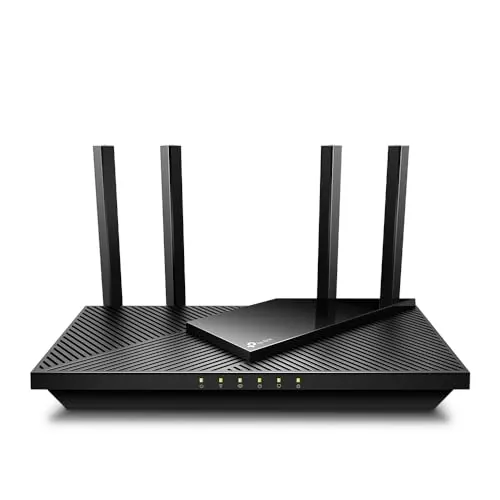
TP-Link AX1800 WiFi 6 Router (Archer AX21 V5)
- Wi‑Fi 6 dual-band router designed to handle more devices with reduced congestion (OFDMA).
Comparison
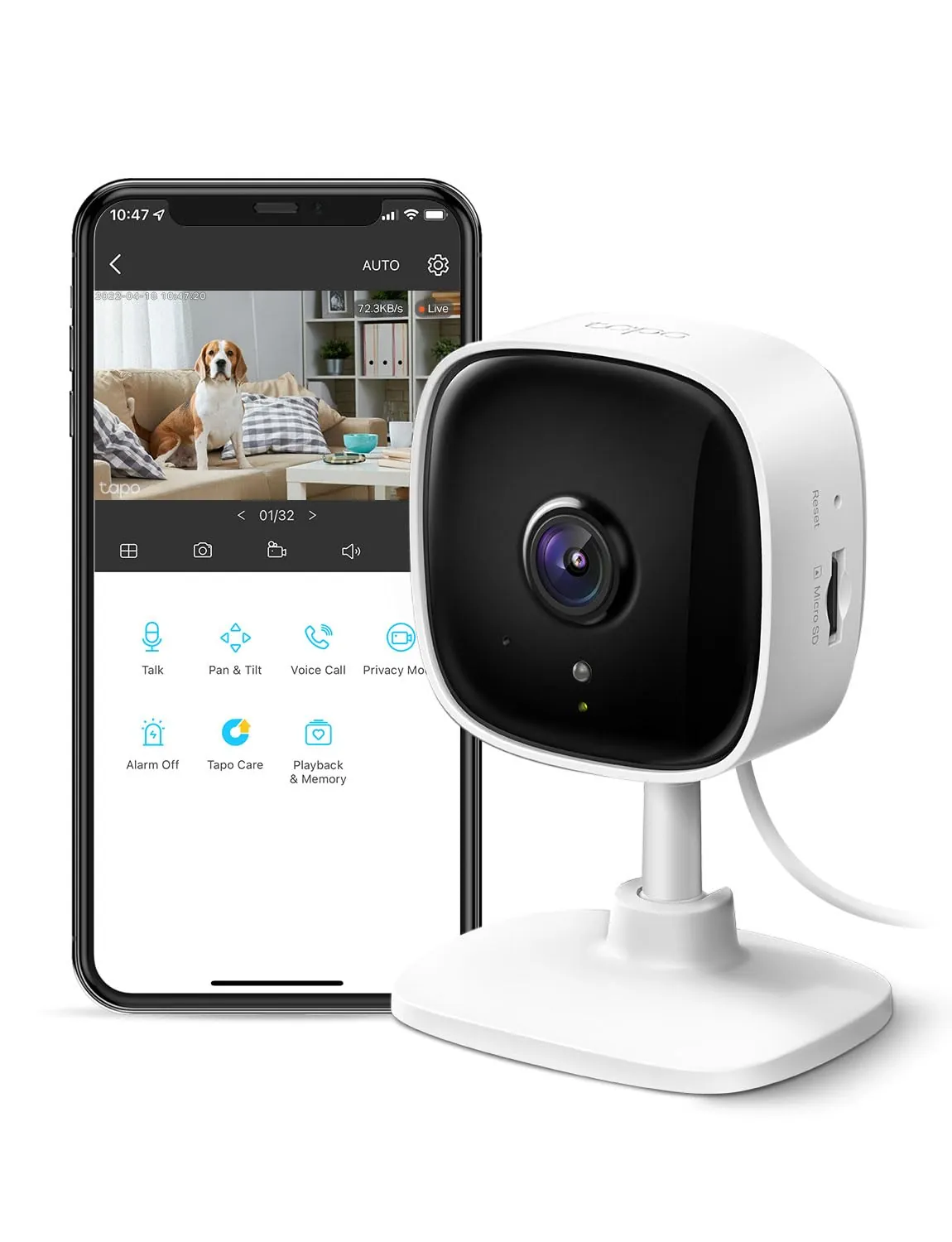
The TP-Link Archer AX21 is a Wi‑Fi 6 dual-band router built to improve home internet coverage, capacity, and wired connectivity, while the TP-Link Tapo C100 is a low-cost indoor security camera focused on 1080p video, alerts, and two-way audio. Both are popular, budget-friendly smart-home devices with strong overall buyer ratings, but each has some mixed feedback around connection stability. Your choice mainly depends on whether you need a stronger home network foundation or indoor monitoring.
#1 Overall Winner
Contender
Choose the TP-Link Archer AX21 if your priority is better Wi‑Fi coverage, handling more devices, and adding wired gigabit connections. Choose the TP-Link Tapo C100 if you want a simple, low-cost indoor camera for baby/pet monitoring with night vision and local microSD recording. If camera reliability is critical, focus on strengthening your Wi‑Fi environment and placement first.
Overall winner
Depends on your needs
| Feature | TP-Link AX1800 WiFi 6 Router (Archer AX21 V5) | TP-Link Tapo 1080P Indoor Security Camera (Tapo C100) | Winner |
|---|---|---|---|
| Product type | Wi‑Fi 6 dual-band router | 1080p indoor Wi‑Fi camera | Depends |
| Primary use case | Whole-home internet/Wi‑Fi management | Indoor security/baby/pet monitoring | Depends |
| Wireless standard / band | Wi‑Fi 6 (802.11ax), dual-band | 2.4 GHz Wi‑Fi (listed) | TP-Link AX1800 WiFi 6 Router (Archer AX21 V5) |
| Wired connectivity | Gigabit Ethernet ports (5 total ports listed) | Wireless only | TP-Link AX1800 WiFi 6 Router (Archer AX21 V5) |
| Coverage/placement focus | Beamforming + 4 antennas for broader coverage | Single-room view; 110° field of view | Depends |
| Video capability | Not applicable | 1080p, 15 fps, IR night vision up to 30 ft | TP-Link Tapo 1080P Indoor Security Camera (Tapo C100) |
| Alerts & detection | Not a monitoring device | Motion/person/baby-cry alerts (as described) | TP-Link Tapo 1080P Indoor Security Camera (Tapo C100) |
| Two-way audio / siren | No | Two-way audio + built-in siren | TP-Link Tapo 1080P Indoor Security Camera (Tapo C100) |
| Storage options | Not applicable | microSD up to 512 GB or optional cloud | TP-Link Tapo 1080P Indoor Security Camera (Tapo C100) |
| Security protocols/features | WPA/WPA2/WPA3; parental controls; admin access | No specific Wi‑Fi security protocols listed; app account use implied | TP-Link AX1800 WiFi 6 Router (Archer AX21 V5) |
| Smart assistant support | Works with Alexa (listed) | Works with Alexa + Google Assistant (listed) | TP-Link Tapo 1080P Indoor Security Camera (Tapo C100) |
| App experience (buyer feedback) | Mixed; some users avoid the app and use web UI | Often praised as user-friendly; some playback issues reported | TP-Link Tapo 1080P Indoor Security Camera (Tapo C100) |
| Reliability/connectivity sentiment | Mostly positive; some disconnection reports | Mixed; some Wi‑Fi dropouts and recording interruptions | TP-Link AX1800 WiFi 6 Router (Archer AX21 V5) |
| Price (listed) | $59.99 | $13.50 | TP-Link Tapo 1080P Indoor Security Camera (Tapo C100) |
| Best fit for a smart home foundation | Core network device for many smart devices | Single endpoint device relying on Wi‑Fi | TP-Link AX1800 WiFi 6 Router (Archer AX21 V5) |
For everyday home use, the Archer AX21 affects everything connected to your network—streaming, video calls, smart speakers, and work-from-home devices—while the Tapo C100 is focused on one location at a time (a nursery, living room, or pet area). If your goal is fewer Wi‑Fi headaches across the house, the router is the more impactful purchase. If your goal is visibility and alerts in a specific room, the camera is the more direct solution.
Performance depends on what you’re trying to accomplish. The Archer AX21’s job is to deliver stable Wi‑Fi and capacity for multiple devices; user feedback commonly reports fast, responsive performance and good range for the price, though some experience intermittent disconnections. The Tapo C100’s performance is about clear indoor video and timely alerts; reviews often praise image quality and night vision, but some users report Wi‑Fi connectivity issues or occasional cut-off recordings. If monitoring reliability is critical, the camera’s performance is more sensitive to Wi‑Fi conditions.
Both products show some mixed reliability feedback, but the impact differs. With the Archer AX21, reports of occasional internet disconnections can affect the whole home network, though many users describe stable performance and long uptimes. With the Tapo C100, reports of Wi‑Fi dropouts and occasional recording interruptions can directly affect monitoring continuity and confidence in alerts. In either case, keeping firmware updated (as suggested for the router) and optimizing placement can help reduce avoidable issues.
Only the Tapo C100 is a security/monitoring device, with 1080p live view, night vision, motion-based notifications, and two-way audio with a siren. The Archer AX21 doesn’t monitor a space, but it does influence how reliably a Wi‑Fi camera can stream and upload clips. If your camera regularly drops offline, improving router placement and overall network stability can be as important as the camera itself.
The Tapo C100 is the only product here with active monitoring: it offers 1080p video, night vision up to 30 feet, motion-based notifications, and two-way audio with a siren. Reviews often mention clear image quality and useful alerts, but some users report that it may not stay connected to Wi‑Fi or that recordings can be briefly interrupted. The Archer AX21 doesn’t provide monitoring, but a stronger, more stable Wi‑Fi environment can reduce camera dropouts and improve live-view consistency.
Neither product is a high-risk appliance, but there are practical safety considerations. For the Archer AX21, place it in a ventilated area, keep it free of dust, and avoid stacking it in enclosed cabinets to reduce heat buildup risk; also use strong Wi‑Fi/admin passwords and WPA3 where possible. For the Tapo C100, use the correct power adapter and cable management to avoid trip hazards, especially in nurseries, and be mindful of where you mount it. If using cloud features, consider account security as part of overall safety.
Comfort here is about day-to-day peace of mind and convenience. The Archer AX21 can improve the “feel” of a connected home by reducing slowdowns and supporting stable streaming and calls, which matters for work and entertainment. The Tapo C100 adds reassurance by letting you check a room remotely and receive alerts, which can be helpful for babies, pets, or monitoring a bedroom. Choose the type of comfort you need most: smoother connectivity or better visibility.
Both products are generally described as easy to set up. The Tapo C100 frequently gets feedback for a quick, app-led install and a user-friendly interface. The Archer AX21 is also commonly described as straightforward, with the added advantage that you can manage it via a browser-based admin interface if you prefer deeper settings or want to avoid relying on the mobile app.
The Archer AX21 has a low-profile router footprint with four visible antennas, which can help with placement and directional adjustment in open areas. The Tapo C100 uses a small bullet-style indoor form factor with a wall-mount option, making it easy to position on a shelf or mount in a corner. Design choice comes down to whether you’re placing a central network device (router) or aiming coverage at a specific room (camera).
“Capacity” means different things here. The Archer AX21 is built to handle more devices at once using Wi‑Fi 6 features like OFDMA, which matters in busy households. The Tapo C100’s capacity is more about recording and retention: it supports microSD cards up to 512 GB (not included) and offers cloud history via subscription if you prefer off-device storage. Your best fit depends on whether you need network capacity or footage capacity.
The Tapo C100 is more space-efficient overall: it’s small, shelf-friendly, and can be wall-mounted in tight spots like nurseries or corners. The Archer AX21 has a modest footprint for a router, but the four antennas and need for central placement can make it more visible on a shelf or TV stand. In very small rooms, the camera is easier to tuck away; in a small flat, the router still needs an open, central location for best coverage.
Neither device is typically chosen based on noise. The Archer AX21 is a passive home router and is generally not an audible appliance in normal use. The Tapo C100 can produce audio through its speaker (two-way talk and siren), but otherwise operates quietly as a background device. For bedrooms, the deciding factors are more about indicator lights and notification behavior than motor noise.
The Archer AX21 installation typically involves connecting it to your modem, powering on, and completing setup via app or browser; it’s straightforward but requires access to your modem location. The Tapo C100 install is often a quick indoor setup with Wi‑Fi pairing, then placing it on a surface or using the included mounting screws/template. If you want the least physical setup, the camera is simpler; if you want the biggest whole-home impact, the router setup is worth the extra step.
The Archer AX21 is a lightweight router with fixed external antennas; reviews suggest it feels functional and stable in use, though its physical “heft” may not feel premium to everyone. The Tapo C100 uses a plastic enclosure and is designed for indoor placement; it’s compact and practical, but build impressions align more with its budget price point than a heavy-duty device.
Long-term durability is difficult to confirm from listings alone, but buyer sentiment provides hints. The Archer AX21 is commonly described as stable over time, and the brand positions it with long support and warranty coverage details. The Tapo C100’s plastic build aligns with its low cost; some users report long-lasting use, while others report failures. If you need something to run continuously for monitoring, consider the camera’s mixed reliability feedback more carefully.
The Archer AX21’s maintenance is mostly digital: occasional reboots, firmware updates, and reviewing device lists/controls. Physical upkeep is minimal aside from keeping vents clear and dust under control. The Tapo C100 may require more ongoing attention if you use local recording—choosing a compatible microSD card, managing storage/retention, and checking recordings periodically. If you choose cloud storage, you’ll also manage subscription settings per device.
Both are relatively easy to move, but for different reasons. The Archer AX21 is light and easy to relocate, though it must stay near your modem (or a wired backhaul) to function as your main router. The Tapo C100 is compact and can be moved room to room as long as there’s power and a stable 2.4 GHz Wi‑Fi signal, making it more flexible for temporary monitoring needs.
The Archer AX21 focuses on network features: Wi‑Fi 6, dual-band operation, OFDMA, beamforming with four antennas, gigabit Ethernet, WPA3, parental controls, and VPN server support. The Tapo C100 focuses on monitoring features: 1080p video, IR night vision, motion/person/baby-cry alerts (as described), two-way audio, a siren, and storage options via microSD or cloud. Feature-wise, the router offers broader home-network control, while the camera offers room-level visibility and notifications.
App experience differs by product. Some Archer AX21 buyers prefer using the router’s browser-based admin interface and mention avoiding the app, suggesting the app experience isn’t the standout part of ownership. For the Tapo C100, reviews more consistently describe the app as user-friendly with useful options for alerts and recording, though some users mention playback hiccups or clipped recordings.
Both products can play a role in a smart home. The Archer AX21 acts as the backbone for smart speakers, phones, and connected gadgets, and can be configured to separate 2.4 GHz and 5 GHz networks—useful for many smart-home devices that prefer 2.4 GHz. The Tapo C100 adds smart monitoring with voice-assistant viewing on compatible Alexa/Google screens. If you’re building a larger smart-home setup, getting stable Wi‑Fi coverage first generally makes add-on devices like cameras behave more consistently.
The Archer AX21 supports Alexa and can act as a stronger hub for multiple smart devices by improving overall Wi‑Fi stability and allowing more control over network behavior (including separating 2.4 GHz and 5 GHz SSIDs). The Tapo C100 supports Alexa and Google Assistant for live viewing on compatible screens, which is useful for quick check-ins. If you want smart-home reliability across many devices, the router tends to have the bigger system-wide impact.
Automation on the Archer AX21 is mostly network-management oriented (controls, rules, and settings rather than “smart routines” in the home-automation sense). The Tapo C100 offers automation-like behavior through motion alerts and configurable recording schedules in the app. If your goal is hands-off monitoring triggered by movement, the camera is the more relevant device; if your goal is managing how devices connect, the router matters more.
The Archer AX21 offers dual-band Wi‑Fi and gigabit Ethernet, giving you flexibility for both wireless and wired devices. The Tapo C100 connects via 2.4 GHz Wi‑Fi (as listed), which can be a good fit for range but may be more prone to congestion in dense Wi‑Fi environments. Both products have mixed buyer feedback about connectivity stability for a minority of users, so placement and interference management matter.
Efficiency is harder to compare directly because one device is a router and the other is a camera. In practical terms, the Archer AX21’s efficiency is about using Wi‑Fi 6 to reduce congestion and keep many devices running smoothly. The Tapo C100 is a corded camera intended for continuous availability, with optional local recording to microSD that can reduce cloud reliance. If minimizing recurring costs matters, the camera’s local storage option can be the more “cost-efficient” approach.
Privacy considerations are more significant for the Tapo C100 because it can capture indoor video and audio. You’ll want to review app permissions, account security, and whether you prefer local microSD recording versus cloud storage. The Archer AX21 is a network device and lists WPA3 support, which can strengthen Wi‑Fi security when enabled, but it does not itself record content. In a privacy-sensitive household, prioritize strong passwords and limit camera placement to necessary areas.
Both products are widely seen as strong value, but they deliver value differently. The Archer AX21 costs more upfront, yet it can be cost-effective if it replaces ISP router rental fees and improves performance for many devices at once; reviewers also highlight strong range and speed for the price. The Tapo C100 is extremely low cost and offers local microSD recording to avoid mandatory monthly fees, though optional subscriptions apply for cloud history and certain add-on features. Consider total cost: subscriptions, extra storage cards, and how many devices you plan to support.
Both products come from TP-Link, and the router listing includes strong support positioning (24/7 technical support and a stated warranty term). The camera has strong adoption and positive sentiment, but warranty/support feedback appears less favorable in the available scoring context. If long-term support and network stability are your priority, the router’s support and brand positioning are clearer in the provided data.
Both products have high review volume and similar star ratings, indicating broad satisfaction overall. Archer AX21 feedback frequently highlights easy setup, speed improvements, range, and value, with a smaller subset reporting disconnections. Tapo C100 feedback commonly praises picture quality, fast setup, and value, while mixed comments point to Wi‑Fi dropouts and occasional recording or playback interruptions. If you’re sensitive to intermittent issues, pay close attention to the connectivity-related reviews for your specific home setup.
The Archer AX21 listing explicitly mentions 24/7 technical support and a stated warranty period. For the Tapo C100, specific warranty terms are not provided in the supplied listing text, and support/warranty sentiment is less clear from the available data. If warranty clarity and access to help matter, the router provides more explicit support information upfront.
This comparison doesn’t have a single winner because the products serve different home needs. The TP-Link Archer AX21 is the better pick when you want a stronger home network foundation: it brings Wi‑Fi 6, dual-band control, gigabit ports, and widely praised range/value, with the main caution being that some users report occasional disconnections and the app experience isn’t universally loved. The TP-Link Tapo C100 is the better pick for low-cost indoor monitoring: it delivers clear 1080p video, night vision, two-way audio, and flexible local/cloud storage, but it has more mixed reliability/connectivity feedback that can impact live view and recordings.
If you’re building a smart home, improving Wi‑Fi stability first often makes devices like cameras work better day to day.
Overall winner
Depends on your needs
Neither is “better” overall because they do different jobs. The Archer AX21 is for improving home internet coverage, speed, and network control, while the Tapo C100 is for indoor video monitoring with motion alerts and two-way audio. Choose based on whether your priority is whole-home connectivity or indoor security/baby/pet monitoring.
You don’t specifically need the Archer AX21, but the Tapo C100 does need a stable 2.4 GHz Wi‑Fi connection. If your current router struggles with coverage or has frequent dropouts, a better router can help keep live view and recording more consistent. The AX21 can also reduce congestion when many devices are online.
Buyer feedback points to both being fairly straightforward, but the Tapo C100 commonly gets praised for very quick setup through the app. The Archer AX21 is also described as easy to configure, with the option to manage it through a web browser interface if you’d rather not rely on the mobile app.
For a small flat that mainly needs better Wi‑Fi, the Archer AX21 is a practical single-router upgrade and includes gigabit ports for a desk setup. For a single room where you want monitoring (baby, pets, or entry area), the Tapo C100 is compact and easy to place or wall-mount, with night vision for bedrooms.
No. The Tapo C100 supports local recording to a microSD card (not included), which can reduce or eliminate the need for a monthly plan. A subscription (Tapo Care) is optional for cloud storage and extra benefits like longer video history and certain added features described in the listing.
Yes. The Archer AX21 is a dual-band router and can be configured to separate 2.4 GHz and 5 GHz networks, which can make connecting some smart home devices simpler. Reviewers specifically mention choosing it to avoid band-steering hassles. Actual results still depend on placement, interference, and your ISP connection.
Both products have some mixed feedback around connectivity stability. For the Archer AX21, a minority of users report internet disconnections. For the Tapo C100, some users report that it may not stay connected to Wi‑Fi consistently, and a few mention short recording interruptions. A stable network and updated firmware can matter for both.
Both are positioned as strong value, but in different ways. The Archer AX21 can pay off if it replaces an ISP router rental and improves home network performance and control. The Tapo C100 has a very low upfront cost and can avoid subscriptions with microSD recording, making it appealing for basic indoor monitoring on a budget.
Check our rankings and expert guides to find the best home lifestyle products for your goals.