#1 Overall Winner
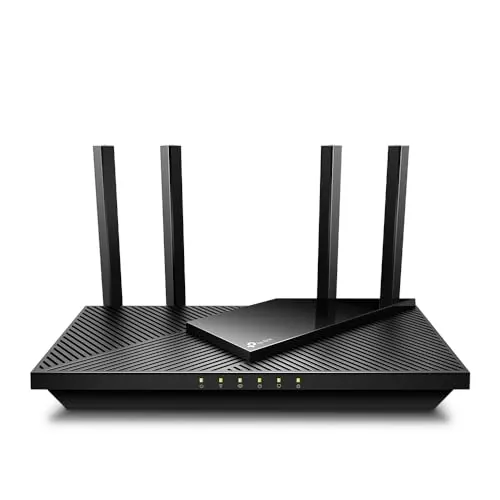
TP-Link AX1800 WiFi 6 Router (Archer AX21 V5)
- Strong overall Wi‑Fi 6 performance for typical streaming, gaming, and downloads
Comparison
TP-Link Archer AX21 and Wyze Cam v4 target different smart-home needs: the Archer AX21 is a dual-band Wi‑Fi 6 router built to improve coverage and handle more devices, while the Wyze Cam v4 is a 2.5K security camera focused on monitoring, alerts, and night visibility. Both are well-reviewed for value and easy setup, but each has mixed feedback around connectivity and longer-term reliability from a minority of buyers.
#1 Overall Winner
Contender
Choose the TP-Link Archer AX21 if you want to improve home Wi‑Fi coverage, connect more devices smoothly, and get deeper network controls without paying monthly router rental fees. Choose the Wyze Cam v4 if you want inexpensive 2.5K monitoring with strong night visibility and the option to record locally to a microSD card—while accepting that some features are subscription-based and reliability feedback is mixed.
Overall winner
Depends on your needs
| Feature | TP-Link AX1800 WiFi 6 Router (Archer AX21 V5) | WYZE Cam v4 (Latest Model) | Winner |
|---|---|---|---|
| Product type | Wi‑Fi 6 dual-band router | 2.5K indoor/outdoor security camera | Depends |
| Primary role at home | Connect devices and manage home network | Monitor spaces with video, alerts, and deterrence | Depends |
| Wi‑Fi bands supported | 2.4 GHz + 5 GHz (dual-band) | 2.4 GHz only (not 5 GHz compatible) | TP-Link AX1800 WiFi 6 Router (Archer AX21 V5) |
| Network security protocols | WPA/WPA2, WPA3, WPA/WPA2-Enterprise | Not specified in provided data | TP-Link AX1800 WiFi 6 Router (Archer AX21 V5) |
| Local recording | Not applicable | microSD supported (up to 512GB) | WYZE Cam v4 (Latest Model) |
| Subscription dependency | No subscription requirement mentioned | Some detection/cloud features require subscription; local SD recording optional | TP-Link AX1800 WiFi 6 Router (Archer AX21 V5) |
| Setup experience | App or web admin setup; generally easy | Bluetooth setup; generally quick | Tie |
| Coverage / placement flexibility | Designed for wider home Wi‑Fi coverage | Single-camera viewing area; compact placement | Depends |
| Smart assistant compatibility | Works with Alexa (listed) | Works with Alexa and Google Assistant (listed) | WYZE Cam v4 (Latest Model) |
| Deterrence features | Not applicable | Spotlight, siren, voice warning (motion-activated options) | WYZE Cam v4 (Latest Model) |
| Reported reliability concerns | Minority report disconnections | Reports include connection issues and some early failures | TP-Link AX1800 WiFi 6 Router (Archer AX21 V5) |
| Value perception (buyer sentiment) | Often described as strong value for upgrading a home network | Often described as strong value for video quality/features | Tie |
For everyday home use, the Archer AX21 improves how all connected devices behave—streaming, browsing, smart speakers, and general household connectivity—because it sits at the center of your network. The Wyze Cam v4 is more targeted: it improves awareness of what’s happening in a specific area (nursery, playroom, entryway, or yard) and can provide recordings and alerts. If you’re deciding which upgrade matters most right now, choose the router for household-wide impact, and the camera for monitoring and peace of mind in key spots.
Performance is best judged by each product’s main job. The Archer AX21 is built to deliver faster, more stable home Wi‑Fi across many devices, and reviews frequently highlight improved speed feel, strong range, and better day-to-day consistency compared with ISP routers. The Wyze Cam v4 performs well where it matters most—clear 2.5K video and strong night viewing—with many buyers praising image quality. However, a notable subset of owners report connectivity problems and missed motion events, which can undermine real-world monitoring performance if placement or Wi‑Fi strength is marginal.
Reliability is a key decision point for both. The Archer AX21 has strong overall satisfaction, but there are mixed reports of internet disconnections for some users, suggesting that a minority may run into stability issues depending on ISP, environment, or setup. The Wyze Cam v4 also has mixed connectivity feedback and adds another layer of risk: some owners report missed motion detections and even units that only worked for a few days. For either product, keeping firmware updated and ensuring good placement (strong signal, minimal interference) is a practical step to reduce issues.
The Wyze Cam v4 is the clear choice for security monitoring because it provides 2.5K video, night vision, alerts, two-way audio, and deterrence tools like spotlight/siren/voice warning. The Archer AX21 isn’t a security monitor, but it can indirectly affect security outcomes by providing a more stable home network for connected cameras and smart devices. If your goal is surveillance footage and motion alerts, pick the Wyze; if your goal is reducing network congestion that can cause smart devices to drop off, the router upgrade may come first.
For monitoring, the Wyze Cam v4 offers the practical features most households look for: high-resolution video, strong night visibility (including color night vision), motion alerts, and two-way audio. The motion-activated spotlight/siren/voice warning can add deterrence, but effectiveness will depend on placement and tuning motion sensitivity. The main caution is mixed feedback: some users report missed motion events or connection issues, and a few report very short lifespans. The Archer AX21 doesn’t monitor, but it can help provide the stable Wi‑Fi conditions that cameras often need.
Neither product presents unusual safety concerns in the provided data, but there are practical considerations. For the Archer AX21, safe use is mostly about proper ventilation and avoiding overheating by keeping it dust-free and not enclosed in tight cabinets—something users explicitly mention. For the Wyze Cam v4, safe installation matters more: ensure the power cable is secured to avoid trip hazards, use appropriate mounting for outdoor placement, and follow the guidance about needing the outdoor power adapter for exterior use. As with any connected device, keep firmware updated to support secure operation.
Both products are broadly described as easy to set up. Wyze Cam v4’s Bluetooth onboarding is geared toward quick installation, and many users report being live in minutes. The Archer AX21 can be configured through an app or a browser-based admin panel; at least one reviewer preferred the browser experience for clearer access to advanced settings like splitting 2.4 GHz and 5 GHz networks. For ongoing use, the router may require a bit more learning if you plan to customize settings beyond the basics.
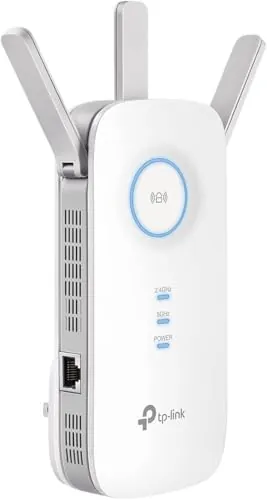
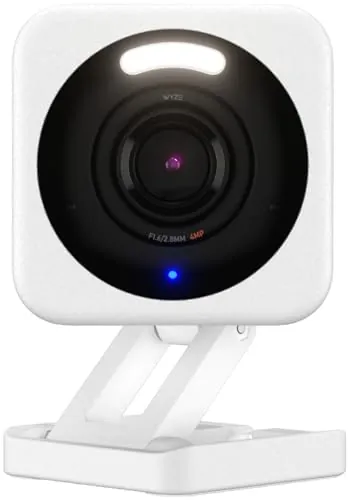
The Archer AX21 uses a typical home-router layout with a low-profile body and four visible antennas, designed to sit on a shelf or TV stand for better coverage. It has a larger footprint than a camera but doesn’t require mounting. The Wyze Cam v4 is a small cube-style camera that’s easy to hide in plain sight and can be wall mounted, freestanding, or attached via magnetic mounting (with some users preferring screws for outdoor placement). If visual discretion matters, the camera is easier to blend in.
Capacity is meaningful mainly for the router. The Archer AX21 is intended to handle many connected devices and reduce congestion using Wi‑Fi 6 features like OFDMA, which matters in busy homes with phones, TVs, and smart devices. For the Wyze Cam v4, “capacity” is more about storage: it supports microSD cards up to 512GB for local recording (card sold separately). The better choice depends on whether your home is hitting network-device limits or you need more recording retention.
The Wyze Cam v4 is more space-efficient: its small cube form factor and flexible mounting make it easy to place on a shelf or tuck into a corner. The Archer AX21 is still reasonably compact for a router, but the body plus four antennas need a clear placement spot for good signal distribution. In small flats or rooms where surfaces are limited, the camera is easier to accommodate, while the router may require more intentional placement near the modem and away from obstructions.
Wyze Cam v4 is typically faster to physically install: it can be freestanding, wall mounted, or magnet-mounted, and Bluetooth setup avoids QR scanning. Outdoor placement, however, may require additional planning because an outdoor power adapter is needed (sold separately), and some users choose screws over magnets for security. The Archer AX21 installation is straightforward but depends on your modem/ISP equipment and cabling; once wired, setup can be done via app or web interface, with some users taking extra time to customize SSIDs and network options.
The Archer AX21 is a lightweight router with fixed external antennas; reviews generally describe TP-Link hardware as sturdy, though it’s not positioned as a premium, heavy-duty unit. The Wyze Cam v4 is compact and easy to place, but buyer feedback includes some concerns about reliability and units failing early, which can affect perceived build confidence even if the physical design feels solid. If you expect long runtimes with minimal intervention, the router appears to inspire more confidence overall based on provided feedback.
Long-term durability signals are stronger for the Archer AX21 based on the provided buyer summaries and TP-Link’s positioning as a long-running networking brand, though it’s still a budget router class with “adequate” build impressions. The Wyze Cam v4’s compact design is convenient, but some reviews raise concerns about longevity due to early failures. If you need something to run continuously with minimal attention, the router appears the safer bet; for cameras, consider that you may need to troubleshoot, reposition, or replace units sooner in some households.
The Archer AX21’s maintenance is mostly digital: occasional firmware checks (noted in the product guidance) and basic dust/ventilation care. Day-to-day, there’s little physical upkeep. The Wyze Cam v4 may require more ongoing attention depending on how you use it: managing microSD card recording (installation and playback), tuning motion sensitivity/detection zones, and occasionally addressing app prompts or connectivity. If you want the lowest-maintenance experience, the router is generally simpler to keep running once configured.
Both are relatively portable, but in different ways. The Wyze Cam v4 is very small and light, making it easy to move between rooms or reposition for a better angle (as long as power is available). The Archer AX21 is still light for a router, but relocating it affects the entire home network and may require rethinking cable placement near the modem. If you expect to move the device often, the camera is the more practical “pick up and relocate” option.
The Archer AX21’s features center on network control and security options: dual-band Wi‑Fi 6, beamforming with four antennas, WPA3 support, parental controls, and VPN server support (OpenVPN/PPTP). The Wyze Cam v4’s features center on monitoring: 2.5K video, color night vision, motion-triggered spotlight/siren, two-way audio, and local recording to microSD. The camera also offers cloud plans for additional detections, which can expand functionality but may add recurring cost depending on how you use it.
App experience differs mainly in importance. The Wyze Cam v4 relies heavily on the Wyze app for live view, alerts, playback, and settings, and many buyers find it easy to use—though some complain about subscription prompts and confusing local playback. The Archer AX21 can be managed via the TP-Link app, but review feedback suggests some users avoid the app and prefer browser-based administration for more reliable access to advanced settings. If you dislike managing devices via an app, the router is easier to run without one.
Both products fit into a smart-home setup, but in different ways. The Archer AX21 supports smart homes by providing dual-band Wi‑Fi and the ability to separate 2.4 GHz and 5 GHz networks—often useful for smart devices that prefer 2.4 GHz. The Wyze Cam v4 supports smart-home routines through app-based monitoring and listed integrations (Alexa, Google Assistant, and IFTTT controller support). If your smart-home devices are struggling to stay connected, the router is the more foundational upgrade; if you want automation around motion and monitoring, the camera is the direct tool.
The Archer AX21 supports smart homes by improving the network layer—especially helpful for homes with a mix of devices that prefer 2.4 GHz and those that benefit from 5 GHz. Reviews also mention the usefulness of splitting networks to keep certain devices (like smart speakers) consistent. The Wyze Cam v4 adds smart-home behavior through app control and listed ecosystem support (Alexa/Google Assistant/IFTTT). If you’re building routines around motion and alerts, the camera is the “automation trigger,” while the router is the “stability enabler.”
Automation is more relevant to the Wyze Cam v4. It can trigger behaviors around motion (like spotlight/alerts) and fits into voice-assistant and IFTTT-style smart-home control as listed. The Archer AX21 is more about consistent networking than automations, though it does support features that can simplify smart-home reliability (like separating bands and managing who can connect). If your goal is hands-off monitoring triggers, the camera is the more automation-oriented device.
The Archer AX21 supports Ethernet and dual-band Wi‑Fi, which gives more flexibility for wired backhaul or stable connections to stationary devices. The Wyze Cam v4 connects via 2.4 GHz Wi‑Fi and also uses Bluetooth for setup; 2.4 GHz can help with range but may be more crowded in some neighborhoods. Both products have mixed connectivity reports from a minority of users, so placement, interference, and keeping firmware updated (noted in router guidance and user feedback) can make a practical difference.
Efficiency looks different for each product. The Archer AX21’s efficiency is about moving data smoothly and minimizing congestion for multiple devices, which can make everyday use feel more responsive. The Wyze Cam v4 continuously processes video and can generate frequent alerts, so efficiency is more tied to how you configure recording (local vs cloud), motion sensitivity, and how often you stream live video. If you want a “set it and forget it” foundation, the router is typically the simpler always-on device.
Privacy and data security matter more for the camera because it captures audio/video and relies on an app ecosystem. Wyze offers local microSD recording, which can reduce reliance on cloud storage, but some features are subscription-based and the app experience includes upsell prompts per reviews. The Archer AX21 focuses on network security controls, listing WPA3 support and router-admin access protection, which can help secure the home Wi‑Fi itself. If privacy is your top concern, consider how footage is stored (local vs cloud) and how accounts/app permissions are managed.
Both products are priced as budget-friendly smart-home upgrades and both are often described as “good value,” but value depends on your goal. The Archer AX21 can pay off by replacing an ISP router rental and improving connectivity across all devices, plus it includes features like VPN server support and WPA3. The Wyze Cam v4 offers a lot of visible functionality per dollar—2.5K video, spotlight/siren, and optional local recording—yet the real-world cost can rise if you need the outdoor power adapter or decide that subscription-only detections are important for your use case.
Based on the provided information, TP-Link presents itself as a long-established networking brand and includes clear support positioning (24/7 technical support and a stated warranty period for most home products). Wyze is widely used in the smart camera space and has strong user adoption in reviews, but the provided data shows lower brand trust and more buyer concerns around reliability and subscription clarity. If support structure and long-term consistency are priorities, TP-Link appears to offer the clearer support story here.
Both products hold similar star ratings with very high review volumes, suggesting broad mainstream adoption. Archer AX21 feedback frequently highlights easy setup, strong range, good speed, and value, with mixed notes about occasional disconnections. Wyze Cam v4 feedback frequently praises video clarity (especially at night), compact size, and value, but also includes mixed experiences with connectivity and motion detection, plus some concerns about early failures and confusion over which features require a subscription. Overall satisfaction is strong for both, with the camera showing more “it depends on your setup” variation.
Warranty/support information is clearer for the TP-Link Archer AX21, which lists 24/7 technical support and a stated two-year warranty for most home products. For the Wyze Cam v4, the provided score data suggests weaker warranty/support sentiment overall, and review excerpts focus more on setup and subscriptions than support outcomes. If warranty clarity and phone support matter, TP-Link has the advantage based on the provided details.
These two products aren’t direct competitors, so the right pick depends on whether your household needs better connectivity or better monitoring. The TP-Link Archer AX21 is the stronger choice for improving everyday home internet: its main strength is solid Wi‑Fi 6 performance and useful router controls at a low price, while its main limitation is that some users still report intermittent disconnects and the app experience isn’t a highlight. The Wyze Cam v4 is the stronger choice for security monitoring: its main strength is clear 2.5K video with impressive night viewing and local recording support, while its main limitation is mixed reliability/connectivity feedback and subscription-related feature expectations. If you can only buy one, start with the device that fixes your biggest daily frustration.
Overall winner
Depends on your needs
They serve different jobs, so “better” depends on what you need. The TP-Link Archer AX21 is for improving whole-home internet coverage and managing many devices, while the Wyze Cam v4 is for video monitoring with features like spotlight/siren and local recording. If your pain point is Wi‑Fi stability and coverage, pick the router; if it’s visibility and alerts, pick the camera.
Yes, for most internet service providers you’ll still need a separate modem. The Archer AX21 is a Wi‑Fi router that connects to your modem to share internet throughout the home. If you currently use an ISP gateway (modem/router combo), you may need to switch it to bridge mode or replace it depending on your setup.
Yes, it can record locally if you insert a microSD card (sold separately). Reviews indicate some buyers are surprised by how playback works in the app, and some advanced detection features are tied to paid plans. If your goal is basic recording without monthly fees, plan on using a microSD card and learning the local playback workflow.
Both list Alexa support, but they help in different ways. The Archer AX21 supports a smart home by providing a stronger, more controllable home network (including the option to separate 2.4 GHz and 5 GHz SSIDs for device compatibility). The Wyze Cam v4 adds smart monitoring and alerts. In many homes, the router is the foundation and the camera is an add-on.
Both have mixed connectivity feedback, but the Wyze Cam v4 reviews more frequently mention connection issues and missed motion events. The Archer AX21 also has some reports of disconnections, though many buyers describe stable performance. For either product, placement and signal strength matter, and keeping firmware updated is commonly recommended.
It’s rated IP65 for weather resistance, but outdoor use requires an outdoor power adapter (sold separately). Several reviewers note that this adds to the real cost if you plan to mount it outside. If you’re buying specifically for outdoor monitoring, factor in the correct power setup and consider placing it in a more protected location (such as under an eave).
Both are generally described as easy to set up. Wyze Cam v4 uses Bluetooth setup and many buyers report being up and running in minutes. The Archer AX21 can be set up via app or a web browser; at least one review strongly preferred the browser interface for clearer, more advanced control. Beginners may find the camera faster to deploy, while the router may take a bit more configuration.
Both are priced aggressively for what they do. The Archer AX21 is often viewed as good value because it can replace an ISP router rental and adds Wi‑Fi 6 performance and controls like guest networking and VPN server support. The Wyze Cam v4 is strong value for 2.5K video and local recording, but the total cost can rise if you add an outdoor adapter or subscriptions.
Check our rankings and expert guides to find the best home lifestyle products for your goals.